
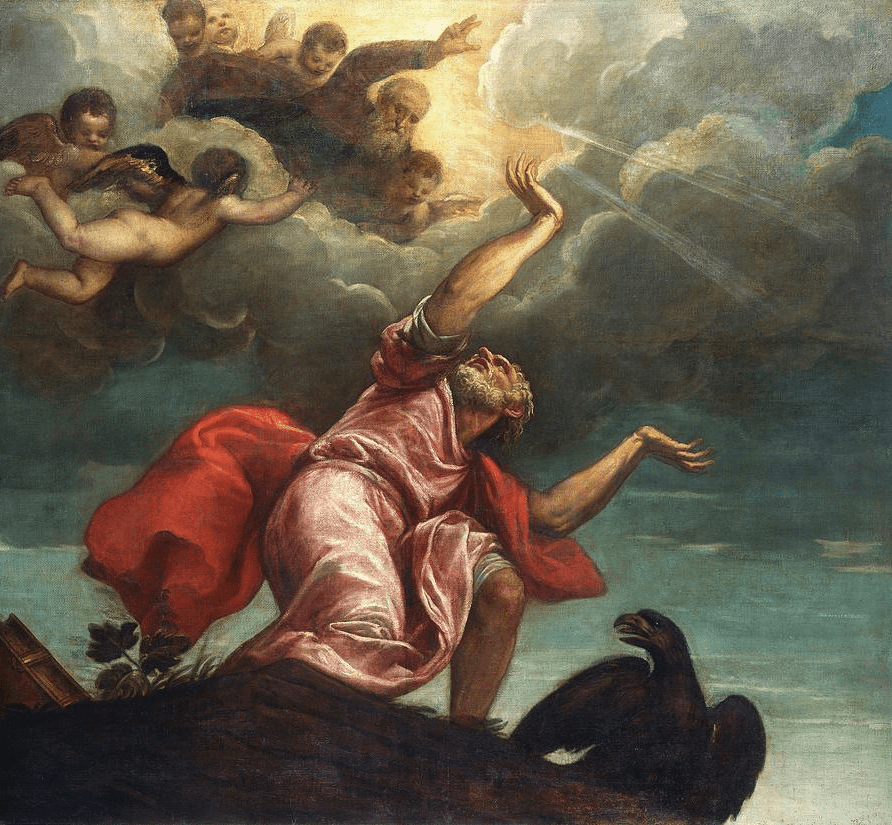
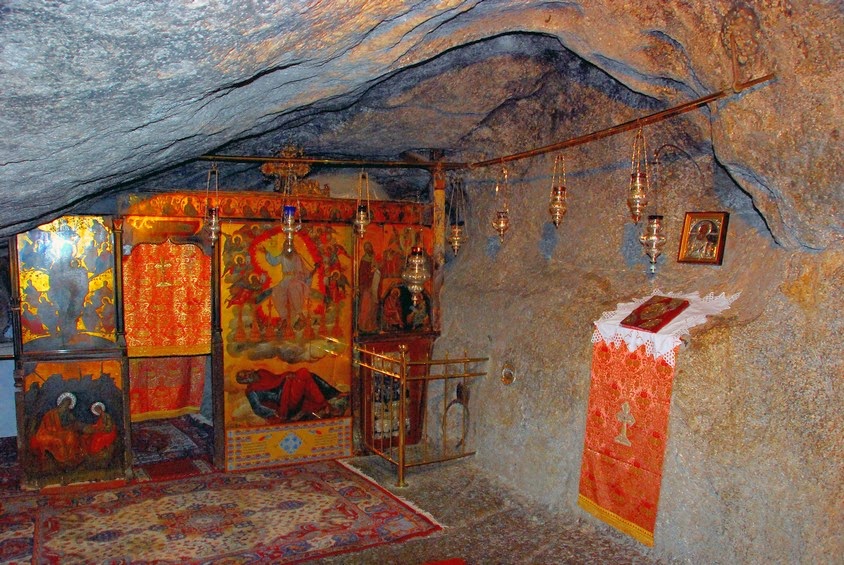
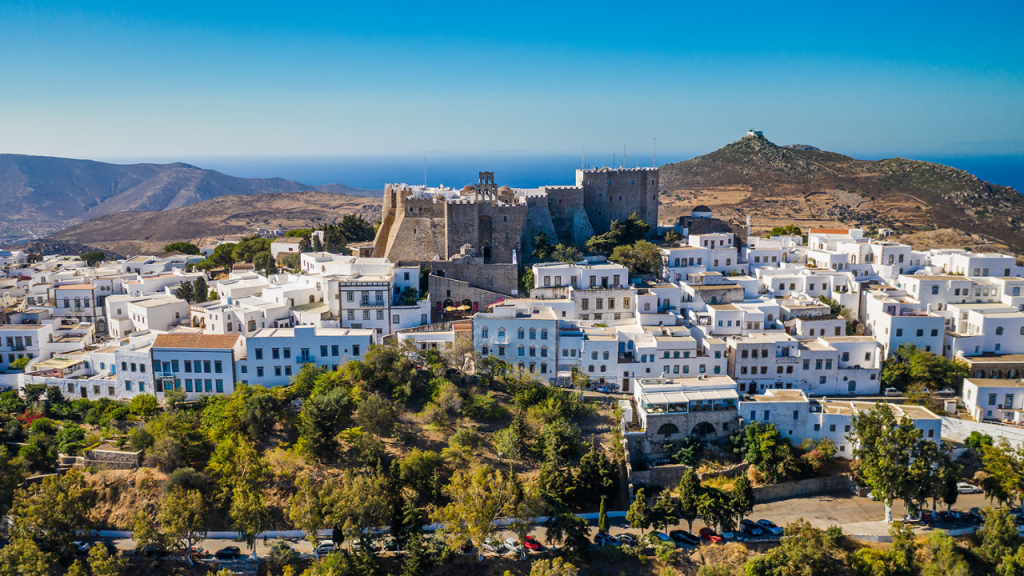
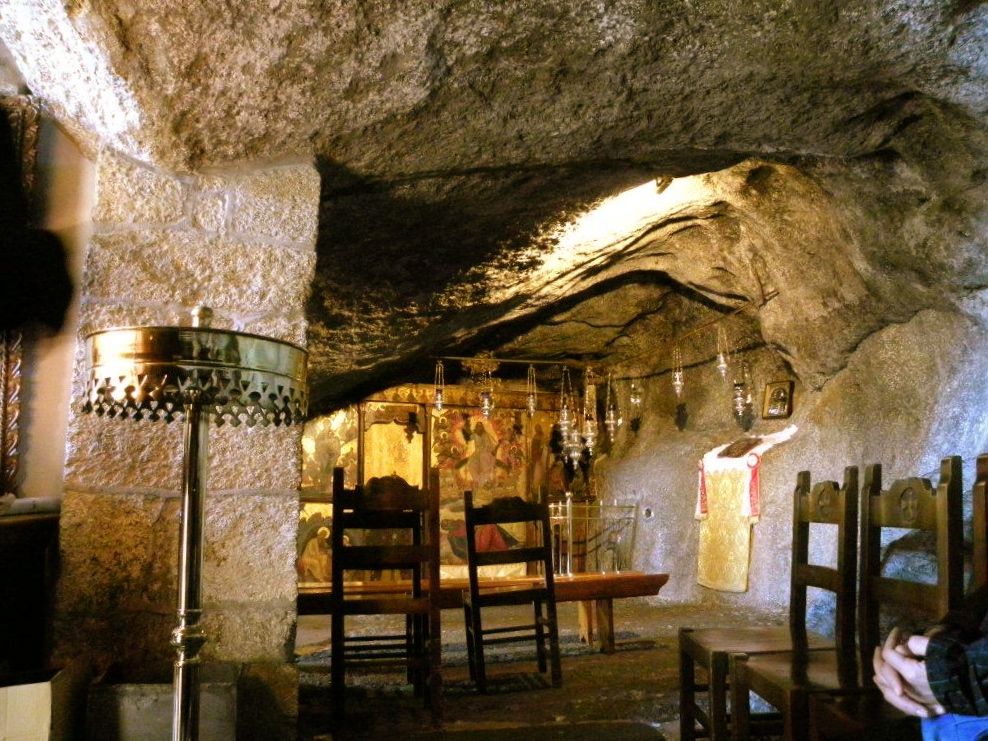
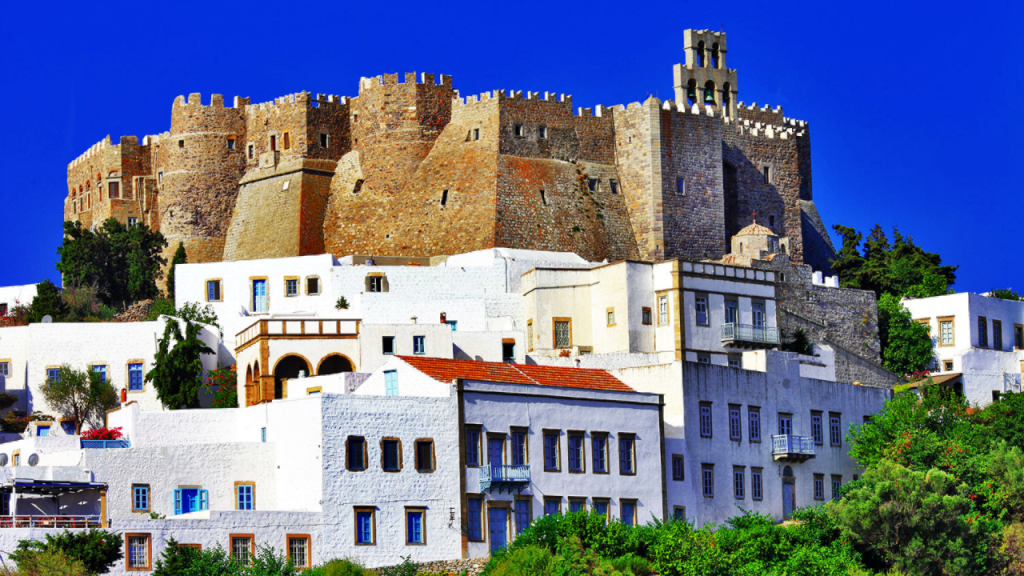
The monastery of Saint John the Theologian is a UNESCO World Heritage Site and known for its Cave of the Apocalypse, where Saint John was said to have dictated the Book of Revelation to his disciple. The monastery is also known for its beautiful polygonal structure, complete with crenellations and towers.
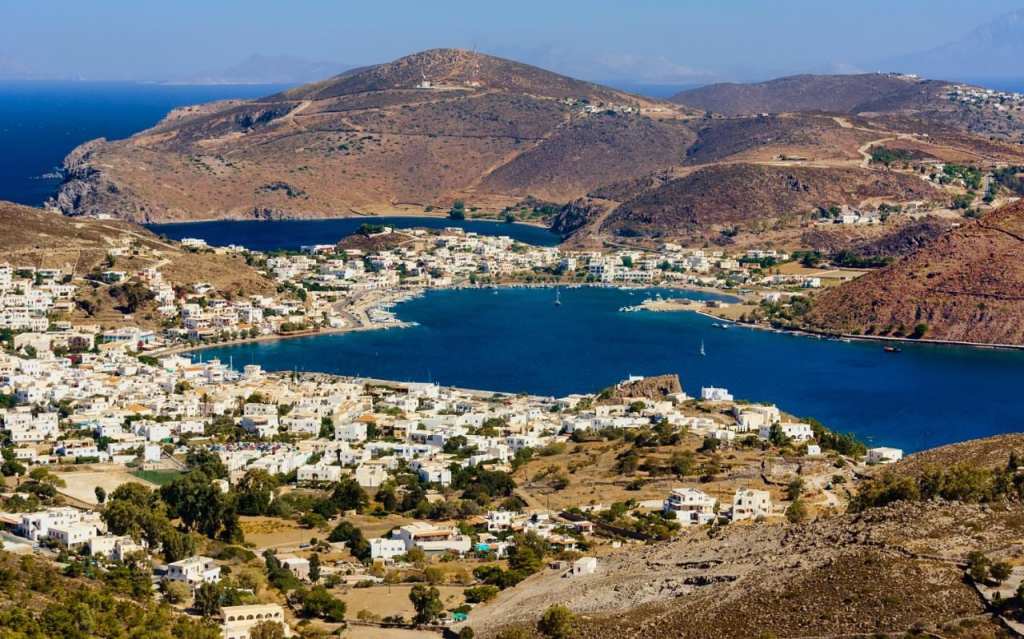
Beautiful Monastery set on The Isle of Patmos, Greece
Different people, cultures, traditions and landscapes, the destination is transcendent.
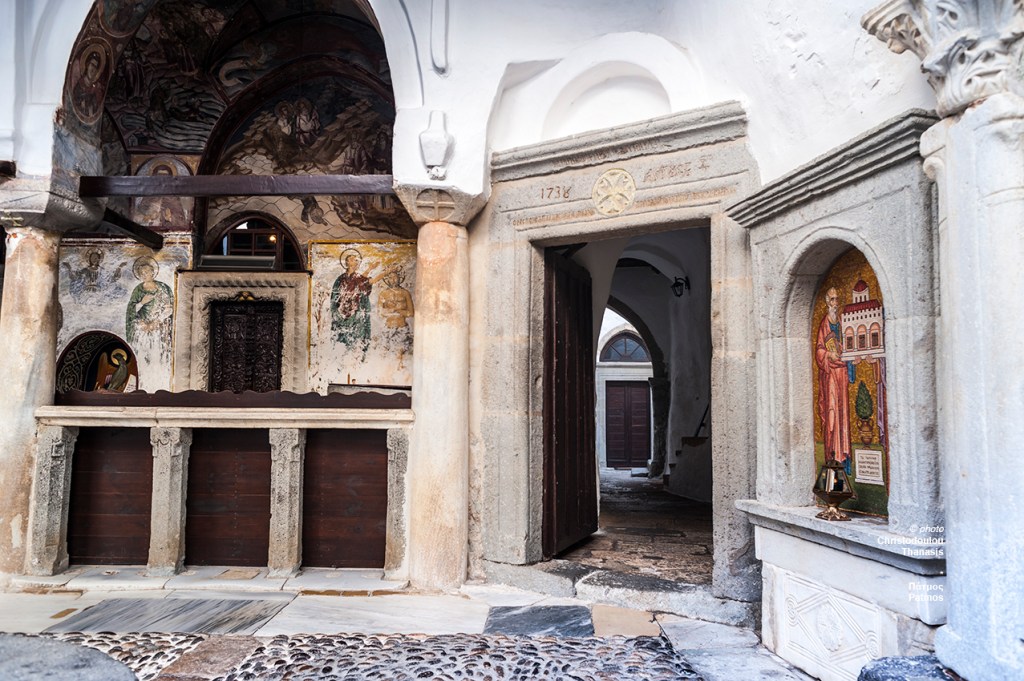
Monastery of Saint John the Theologian is an 11th-century Greek Orthodox monastery perched on a hilltop on the Island of Patmos in Greece. On visiting delve into the cobblestone masterpiece, filled with interconnecting courtyards and open-air walkways traversed with arches, chapels, stairways, and arcades. On the rooftop, beautiful terraces provide a spectacular view of the island. Within the monastery you will find colorful 12th-century religious frescoes and a treasury filled with religious objects. The Cave of the Apocalypse, reportedly where St. John the Divine experienced his revelations is also here. Currently, the monastery is inhabited by about 40 monks.
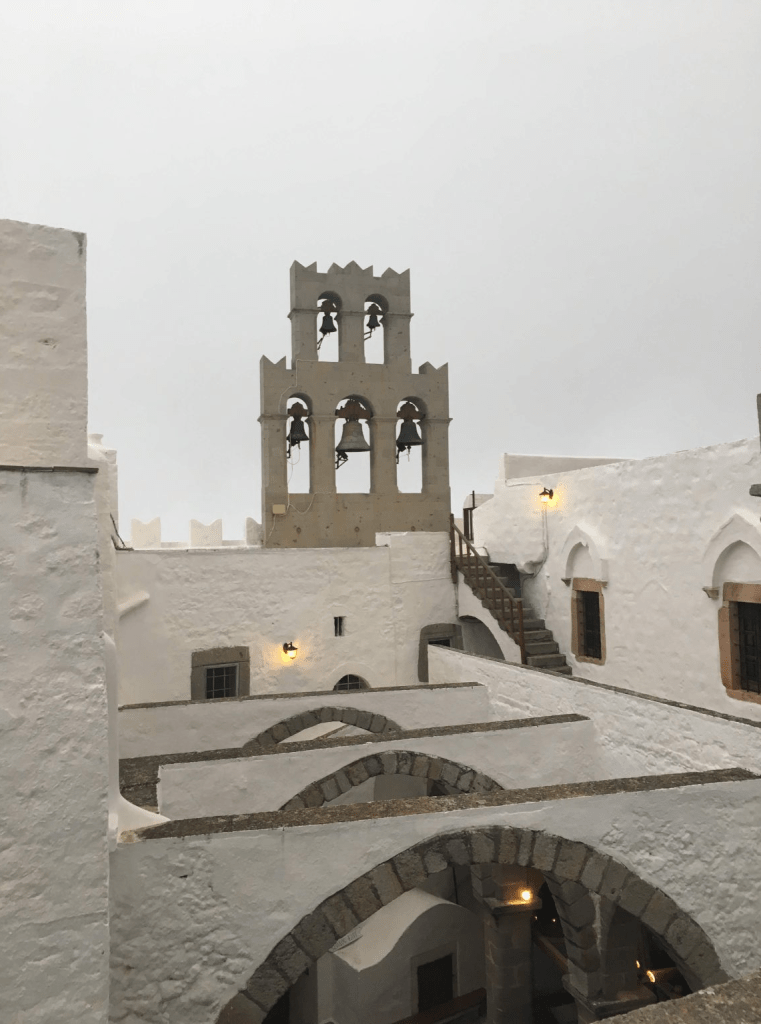
The Monastery of St. John the Theologian (also known as the Monastery of St. John the Divine) is a Greek Orthodox institution dedicated to St. John of Patmos. It was founded in 1088 and is situated at the highest point of the island. In 1088, the Byzantine Emperor, Alexios Komnenos, gave the island of Patmos as a gift to the soldier and priest, John Christodoulos. Most of the monastery was built by Christodoulos himself within the next three years. The monastery itself dominates the island which led to the colonization of the town below that came to be called Chóra. The monastery is classified as a polygonal castle with towers and crenellations, the battlements of a castle, with a collection of manuscripts, liturgical art and objects, and icons within. The monastery’s exterior was fortified due to the threat of piracy and possible attacks by the Seljuk Turks during the period. The primary elements of the monastery were originally designed and built in the late 10th century.
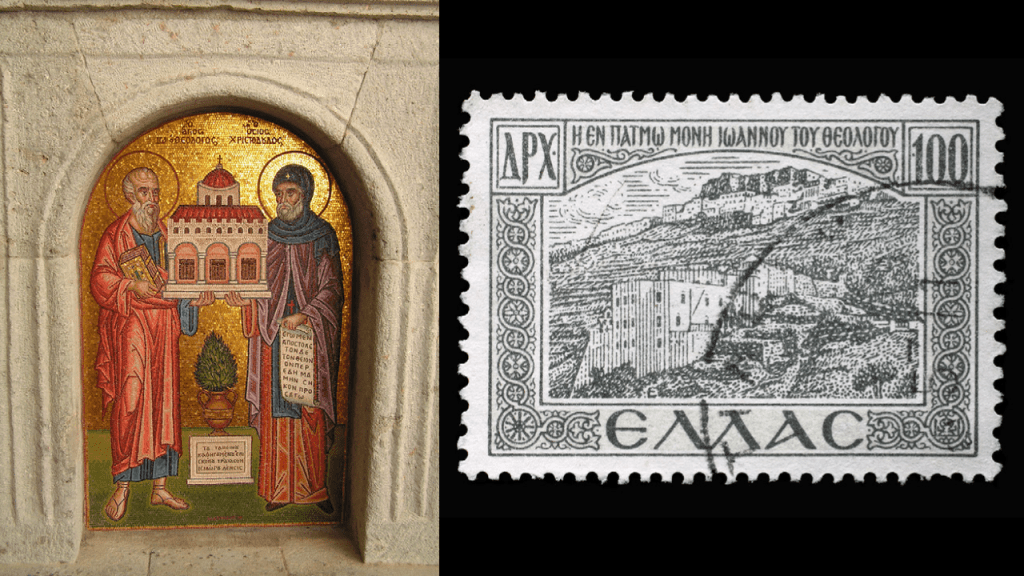
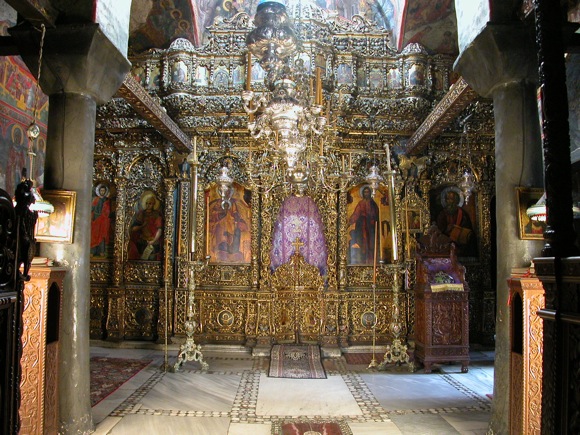
The most significant parts of the monastery included the Katholikon, which was the main church, the Chapel of Panagia, and the refectory, a space used for communal meals. The castle itself is lined with white walls of monastic cells on the north and west sides of the courtyard, and the southern portion of the building is formed by a two-story arcade called the Tzafara. This section of the monastery was reconstructed in dressed stone in 1698, and finally, the east side of the castle is formed by the Katholikon. The monastery was eventually declared a World Heritage Site by UNESCO in 1999.
The features of the monastery include a library, established by Agios Christodoulos and a museum situated next to the bakery. The library includes 2,000 volumes, 13,000 historic texts and 900 manuscripts and 30 of these manuscripts were bequeathed to the monastery by the successor of Christodoulos. Other prized possessions include Savens, the compilation of Nikiforos Laodikias, pieces of ecclesiastic father codes, biographies of saints and others.
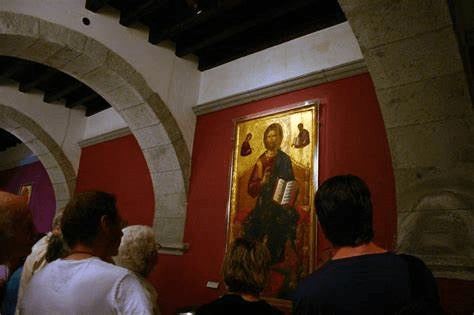
The museum houses valuable objects, superb icons, ecclesiastical utensils, sacred relics, vestments enmeshed with silver or gold threads and bejeweled with precious stones and different garments that constitute the treasury of the monastery. The monastery celebrates the feast of Agios Ioannis Theologos on May 8th, and the feast includes only a ceremony in the church.
THE MONASTERY IS OPEN DAILY FROM 08:00-13:00 AND 14:00-16:00 ON SUNDAYS, TUESDAYS AND THURSDAYS
(+30) 22470 20800
Tours
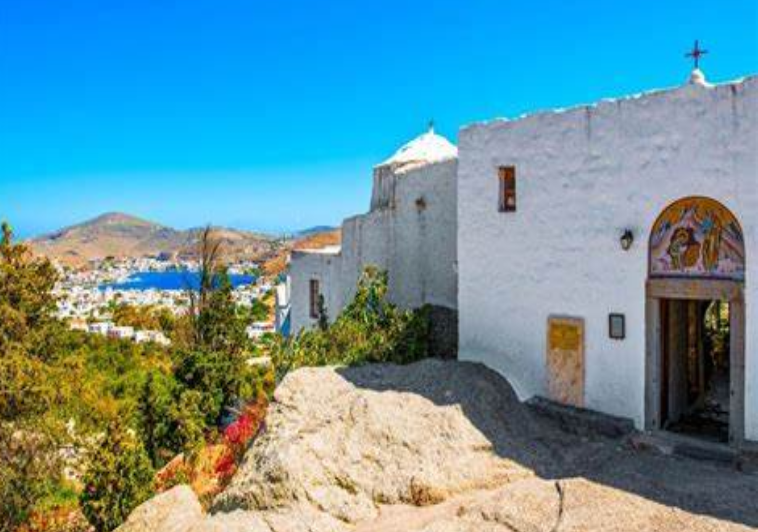
Grotto of Apocalypses – Saint John’s Monastery
Saint John the Divine Monastery
 Favourite Haunts
Leave a comment