

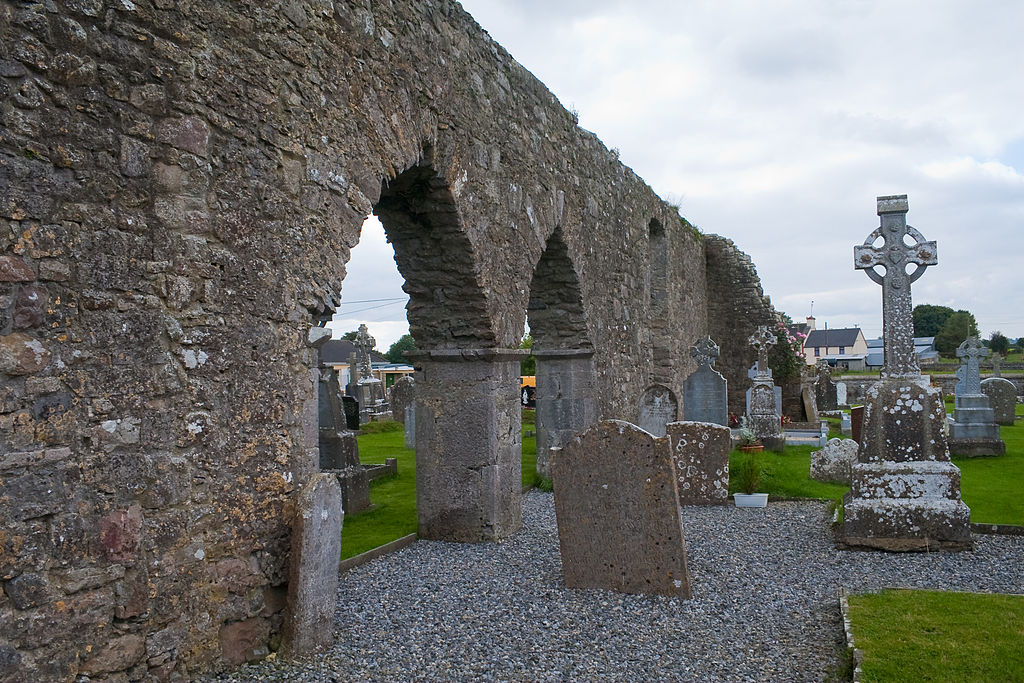
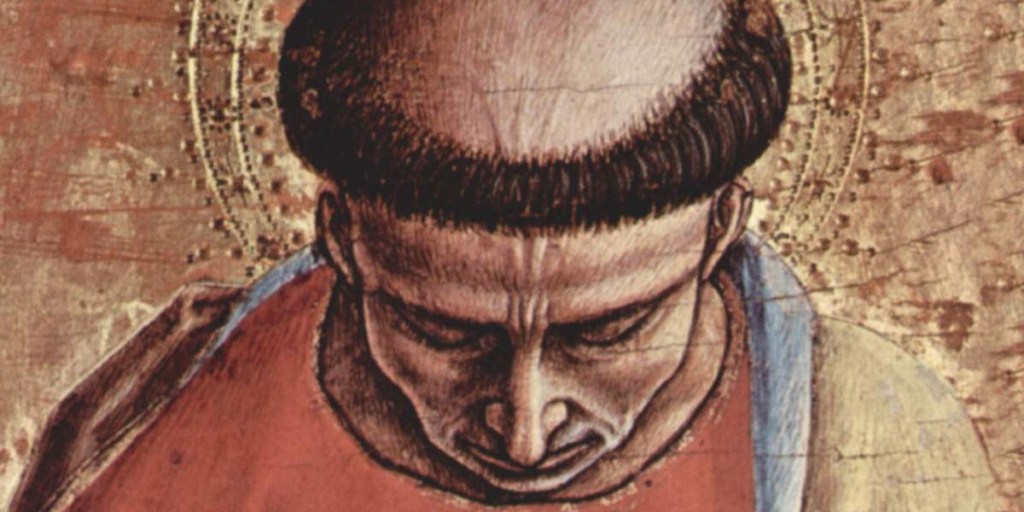
Kinalehin Friary, Ireland’s only Carthusian monastery was founded between 1249 and 1256 by John de Colgan of the Order of St. Bruno. The Carthusians had a very contemplative way of life, the daily activities were mainly praying and spiritual reading. The main supporter of this religious Order was Richard Óg de Burgh, 2nd Earl of Ulster and 3rd Baron of Connaught, also called the Red Earl, but when Richard, tired of fighting, left his title to his grandson William Donn de Burgh, and retired to Athassel Abbey, the monks started feeling unsafe, and by decree of the General Chapter the priory was abandoned in 1321.
Video of the Kinalehin Friary
The younger monks were sent to other Carthusian Houses in England, the older monks stayed at Kilnalahan. Around 1370 the de Burgo family gave the use of the monastery to the Friars Minor Franciscan Order, who settled there in 1390. The patrons showed themselves to be great benefactors of the religious community. Despite this generous gesture, the new Order wasn’t receiving the same support as the Carthusians, so the friars had to live on the donations from the locals.
The monastery was secluded and of no interest to the Crown, so the building didn’t undergo the confiscation during the suppression of the monastic orders under King Henry VIII. However, the monastery was heavily damaged during the attack and pillage of the troops of Sir John Bingham, and in 1611 all the friars were evicted.
Tours
Galway, Dublin and Killarney by Rail
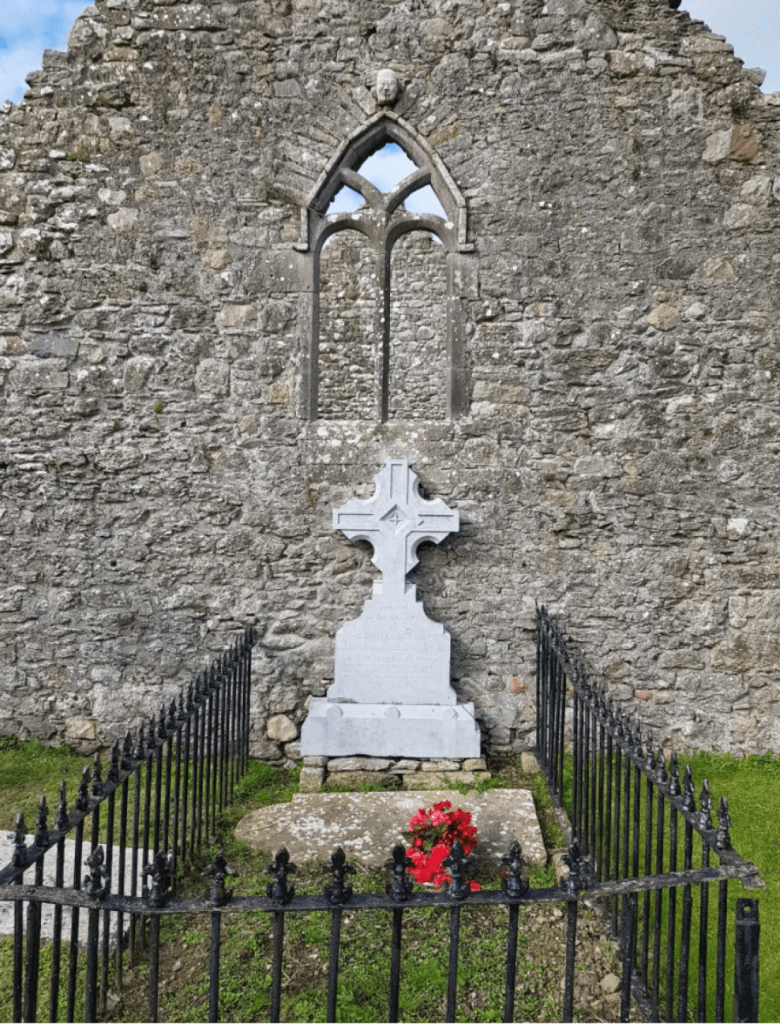
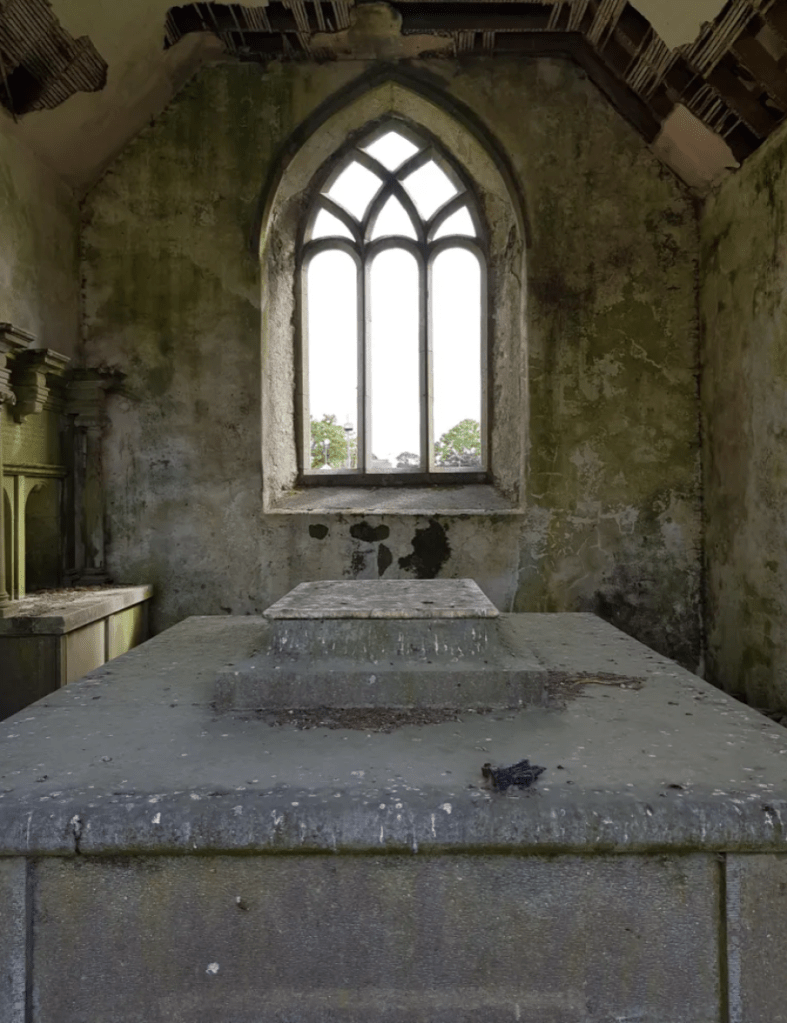
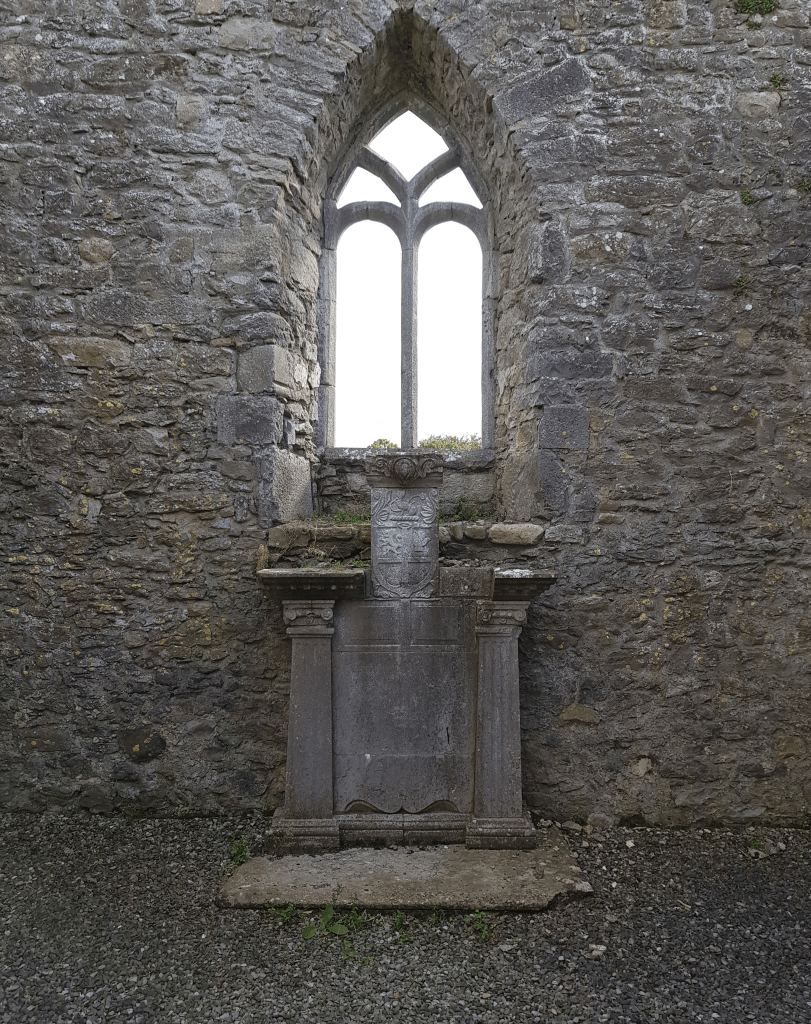
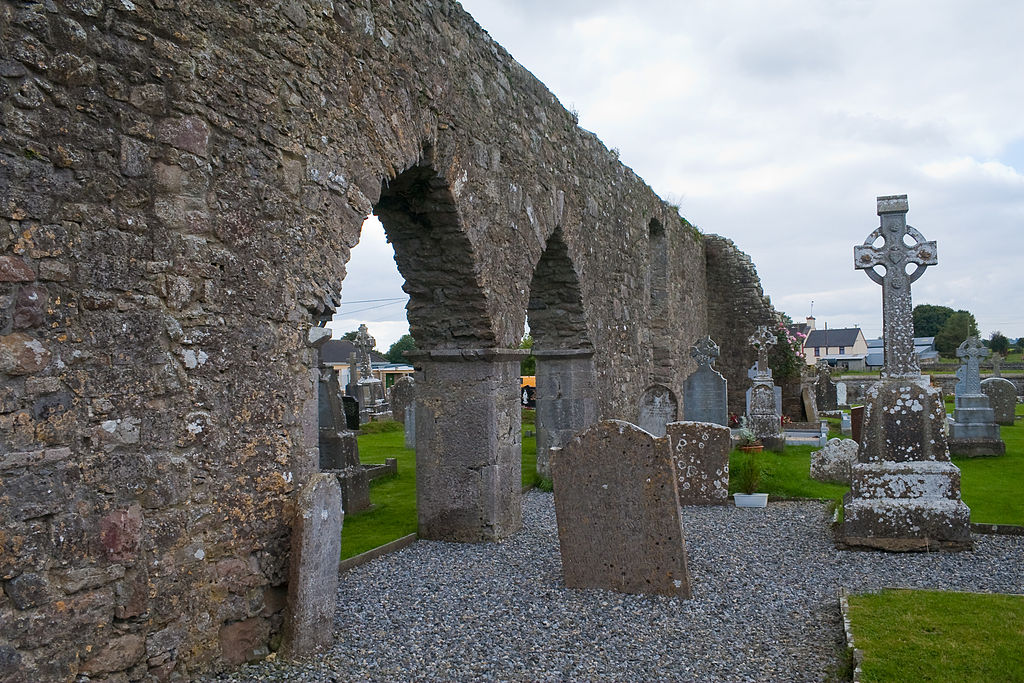
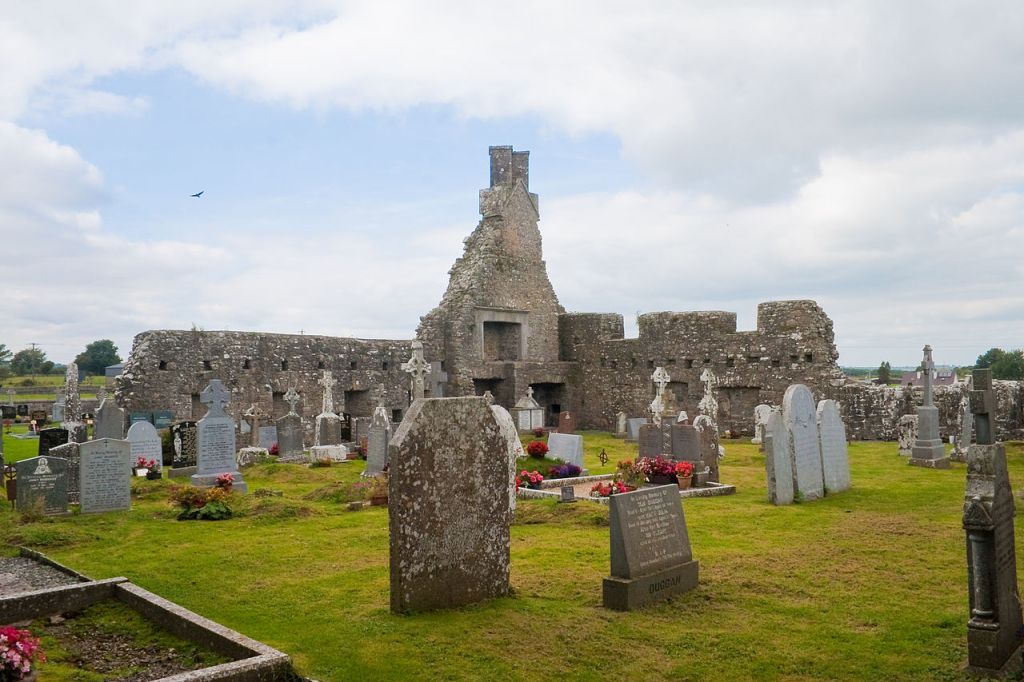
Even though the friars were dispossessed, the Provincial Chapters of the Franciscan Order were held in a neighbouring wood in both 1609 and 1612. The friars were living locally and were determined to re-establish Kilnalahan for themselves and were greatly encouraged with Richard the 4th Earl of Clanricarde assuming ownership in 1611. Therefore, they cautiously proceeded with the work of restoration. The Earl approved the construction of a dormitory and other domestic building while his mother paid for re-roofing the church. Father Donatius Mooney, a Franciscan historian in a translation states, “This convent in the Diocese of Clonfert and on the hill of Sliabh Aughty … very solitary and remote … however it is a desirable place of abode for our brethren”. He describes the rich and cheerful gardens, beautiful orchards, the buildings were charred, and walls of the convent are deprived of a roof. The priory was fully restored by 1615 and was occupied in intervals as persecutions allowed. The ruins we see today at Kilnalahan are what remains of the buildings discussed above.
Gallery

 Favourite Haunts
Leave a comment