
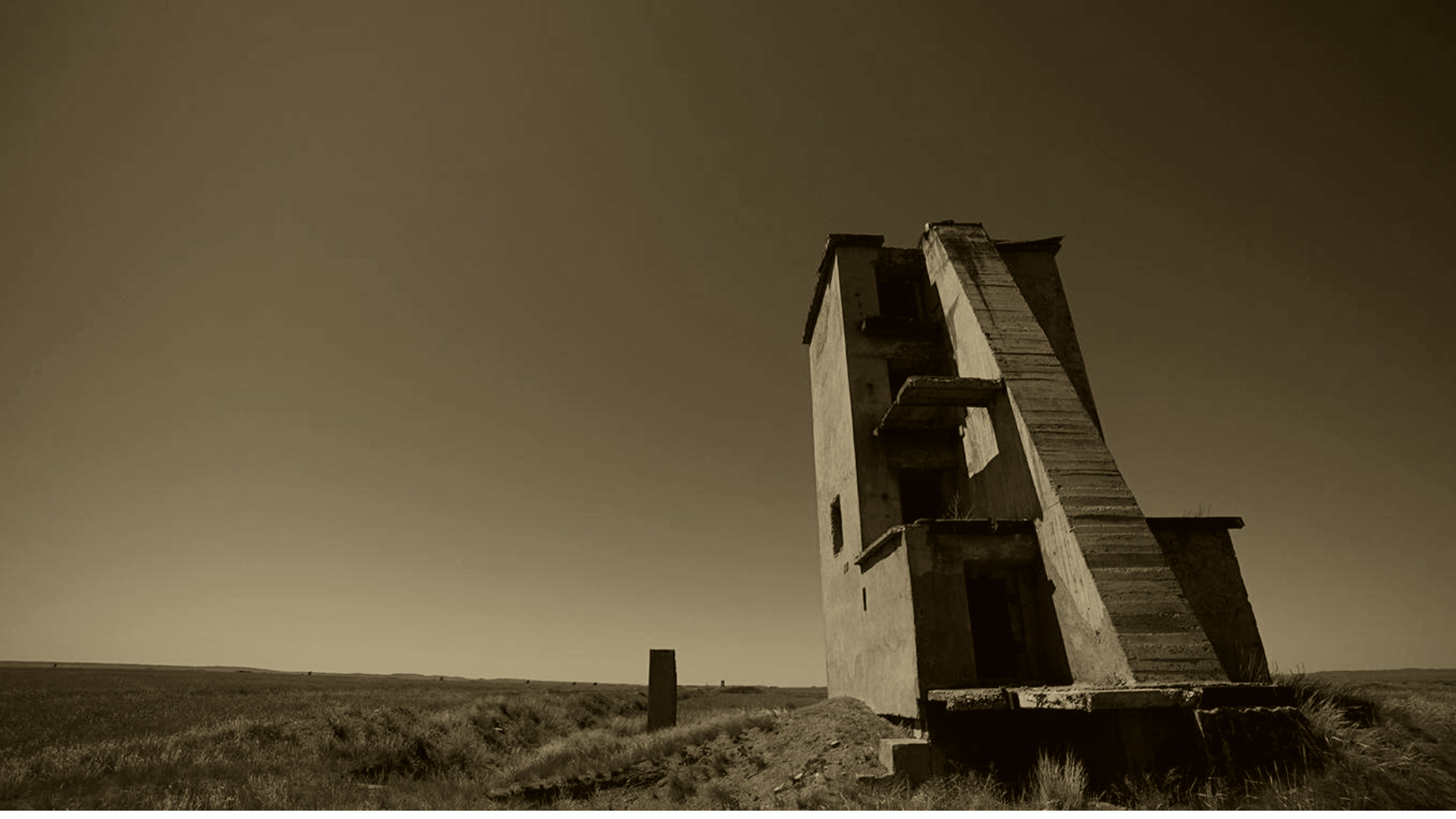
Dark tourism involves travel to places historically associated with death and tragedy. More recently, it was suggested that the concept should also include reasons tourists visit that site, since the site’s attributes alone may not make a visitor a “dark tourist.” The main attraction to dark locations is their historical value rather than their associations with death and suffering. Below are some favorites from the Favorite Haunts readers that offer tourists a portent into the fruits of unchecked and overconfident scientific experimentation.
Lake Alice Psychiatric Hospital – New Zealand
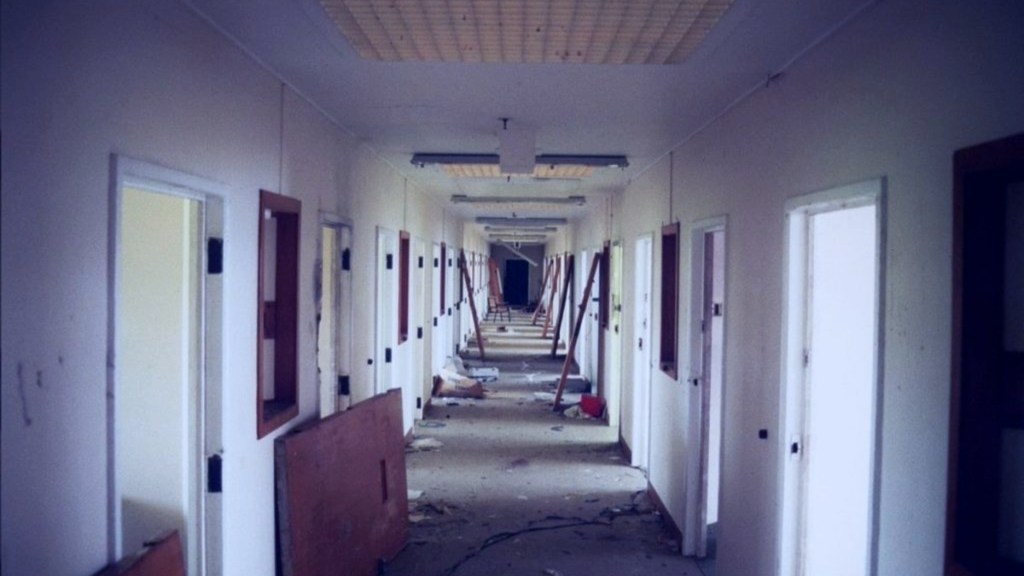
Torture and sexual, physical, emotional and psychological abuse of over 100 survivors of the adolescent unit of Lake Alice Psychiatric Hospital in the 1970s was detailed in a nearly 500-page report released by Royal Commission into Abuse in Care inquiry in December 2022.
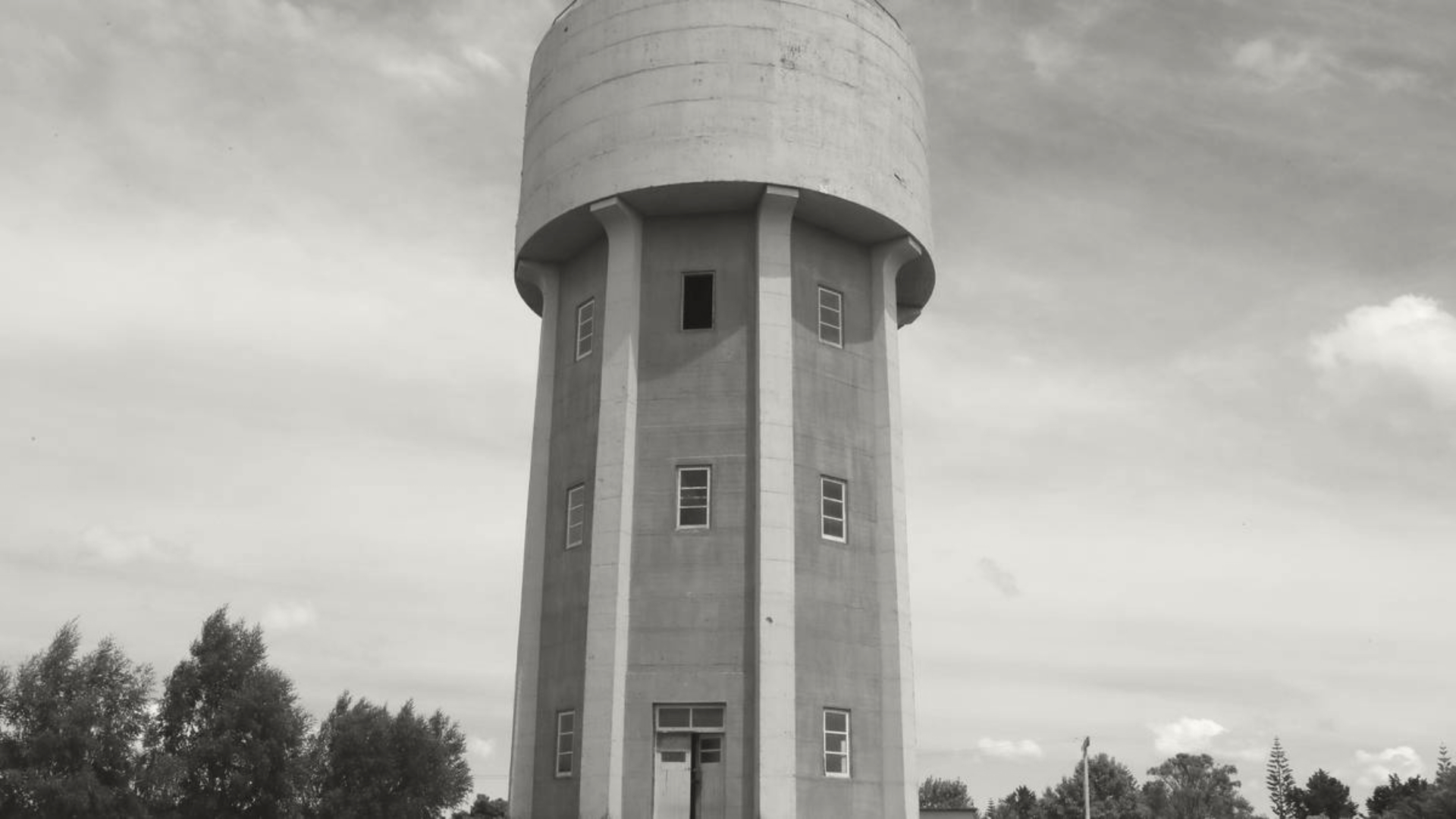
The water tower once supplied Lake Alice Psychiatric Hospital — where young children were subjected to torture through electric shocks and numbing paraldehyde injections in the 1970s, under the charge of lead psychiatrist Dr Selwyn Leeks. The original hospital buildings have been destroyed and turned into farmland, with the remaining water tower now in private ownership.
Hashima Island
Hashima Island commonly called Gunkanjima or ‘Battleship Island’, is a tiny 16 acre abandoned island off Nagasaki about 15 kilometers (8 nautical miles) from the center of the city. It is one of 505 uninhabited islands in Nagasaki Prefecture. The island features abandoned concrete buildings, undisturbed except by nature, and the surrounding seawall. While the island is a symbol rapid industrialization of Japan, it is also a reminder of Japanese war crimes as a site of forced labor prior to and during World War II.
Famous for its undersea coal mines, established in 1887, which operated during the industrialization of Japan. The island reached a peak population of 5,259 in 1959. In 1974, with the coal reserves nearing depletion, the mine was closed, and the residents departed soon after, leaving the island effectively abandoned for the following three decades.
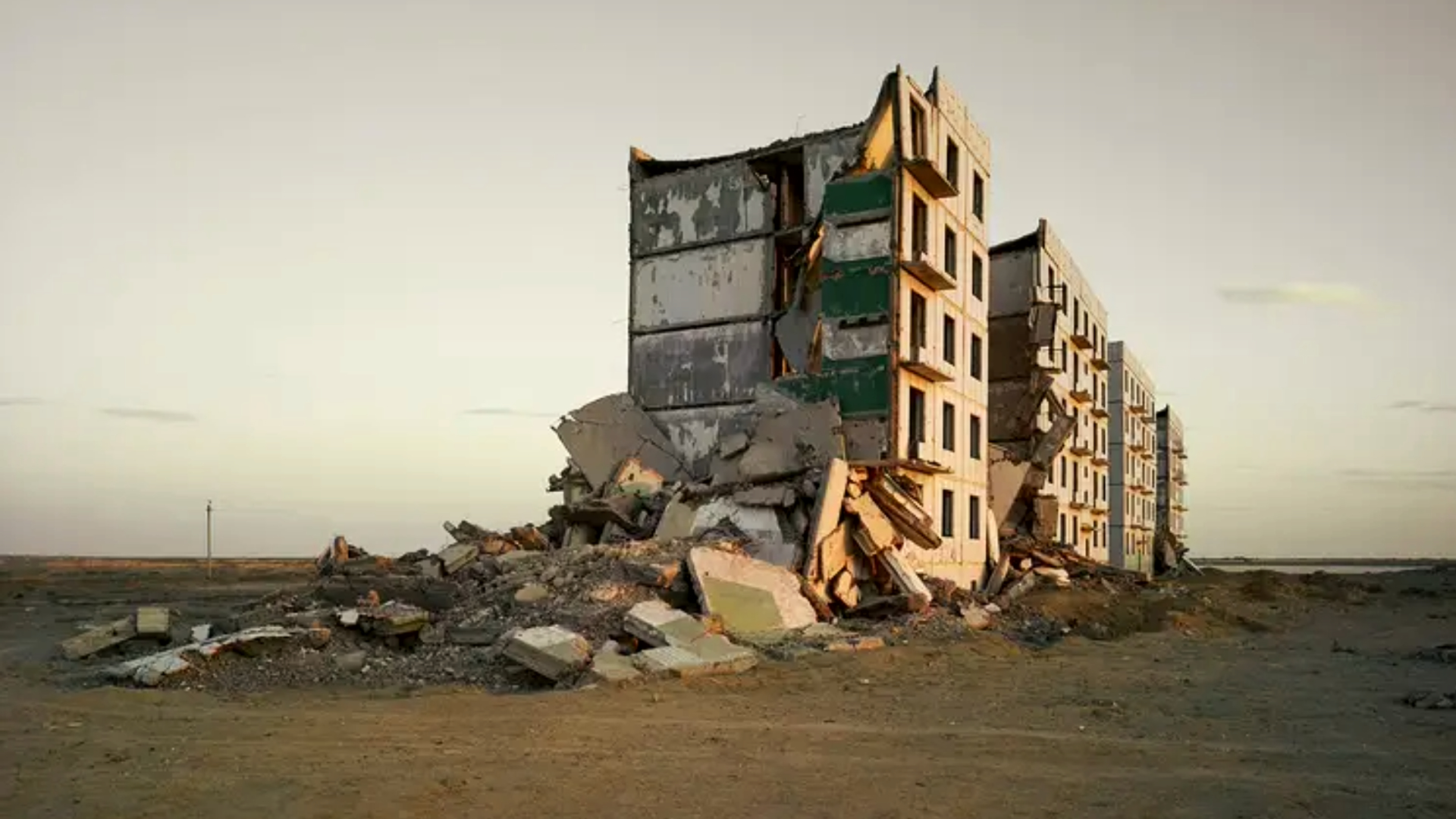
Semipalatinsk Test Site
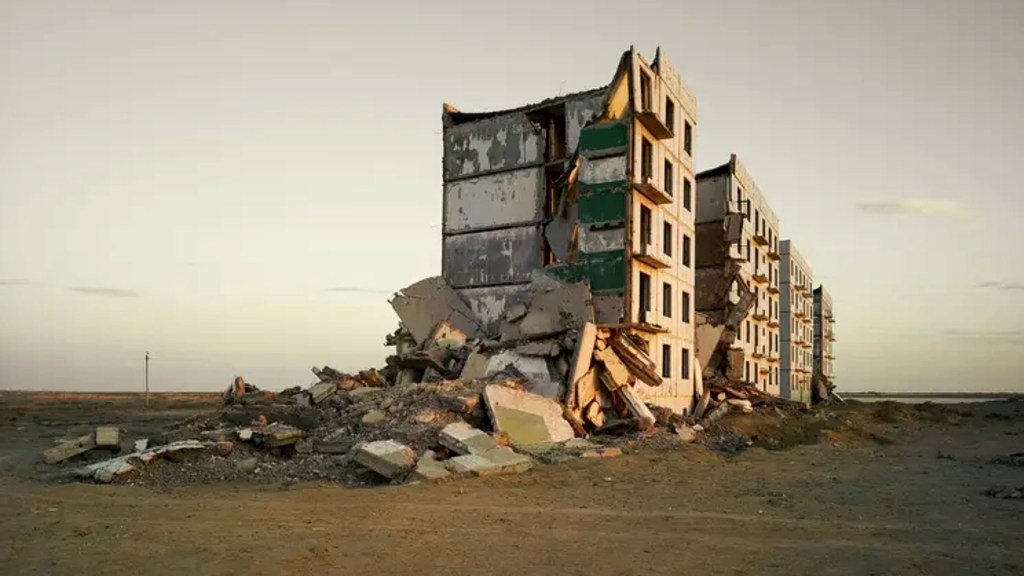
The Semipalatinsk test site is a 19,000 km2 zone in the north- east of the country, 800 km north of the capital Almaty. The zone lies southwest of the Irtysh River which flows into Kazakhstan from China and which, for a short distance, forms part of the nuclear test site boundary.
The Soviet Union conducted 456 nuclear tests at Semipalatinsk from 1949 until 1989 with little regard for their effect on the local people or environment. The full impact of radiation exposure was hidden for many years by Soviet authorities and has only come to light since the test site closed in 1991. According to estimates from Kazakh experts, 1.5 million people (about the population of West Virginia) were exposed to fallout over the years.
From 1996 to 2012, a secret joint operation of Kazakh, Russian, and American nuclear scientists and engineers secured the waste plutonium in the tunnels of the mountains.
Since its closure on August 29, 1991, the Semipalatinsk Test Site has become the best-researched nuclear testing site in the world, and the only one in the world open to the public year-round.
Fukushima – Daiichi Nuclear Power Station
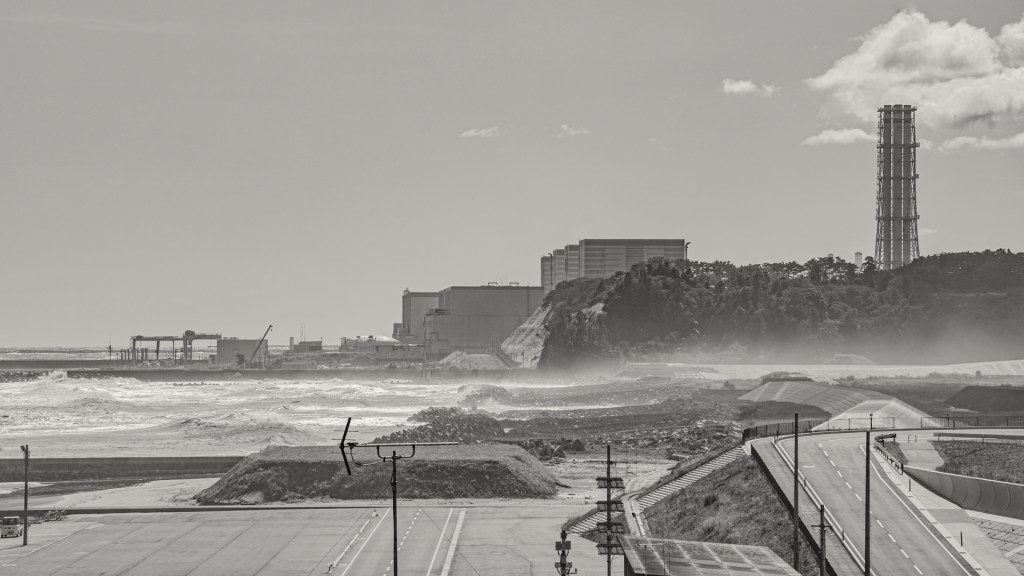
The Tokyo Electric Power Company’s (TEPCO) Fukushima Daiichi Nuclear Power Station is the real site of a disaster and ongoing decommissioning process. The Fukushima Daiichi Nuclear Power Plant or Fukushima number 1 is a disabled nuclear power plant located on a 3.5-square-kilometer (860-acre) site in the towns of Ōkuma and Futaba in Fukushima Prefecture, Japan. The plant suffered major damage from the magnitude 9.1 earthquake and tsunami that hit Japan on March 11, 2011. The chain of events caused radiation leaks and permanently damaged several of its reactors, making them impossible to restart. The working reactors were not restarted after the events. As of 2023, the three reactors host 880 tonnes of highly radioactive melted nuclear fuel. I’m not sure the engineers had forethought of what a natural disaster would do to the plant and the people nearby.
Fukushima Daiichi Nuclear Power Station Study Tour
Documentaries about Dark Tourism
Danger Zone by Vita Maria Drygas
Gallery


 Favourite Haunts
Leave a comment