

White Sands in Black and White
White Sands Monument – Brilliant White Sands
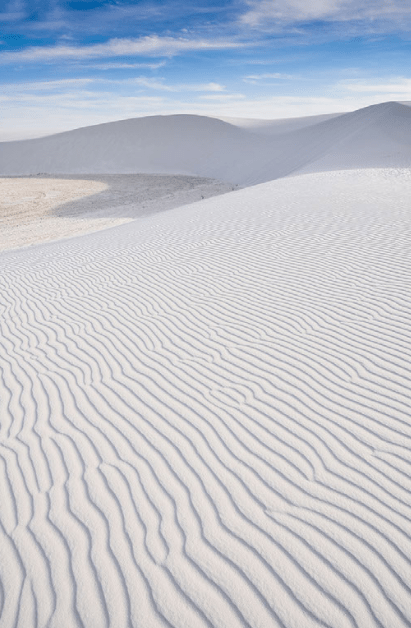
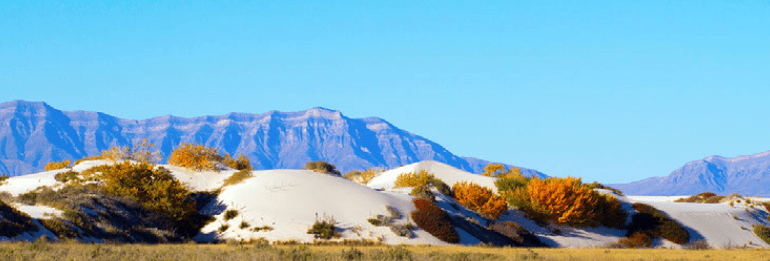
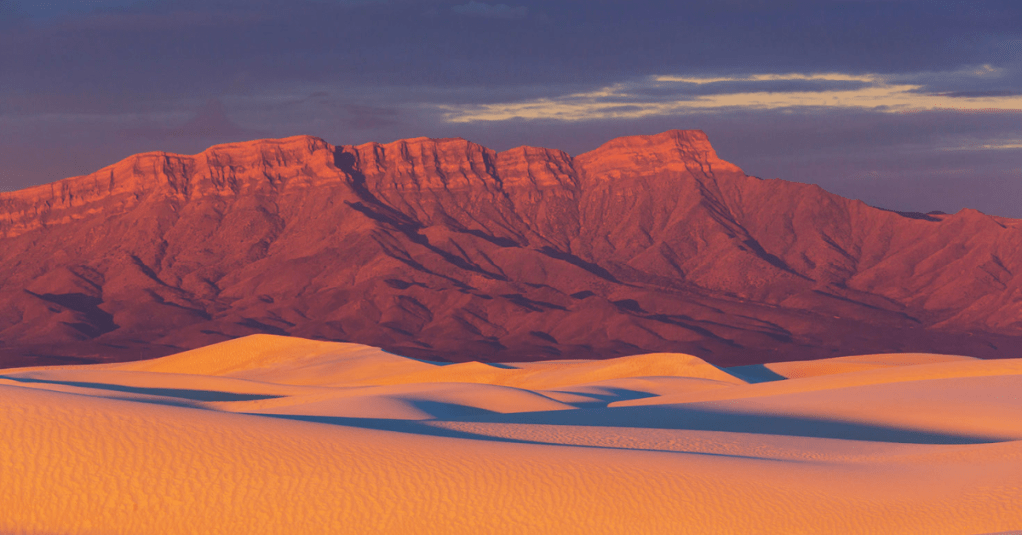
White Sands National Park is situated in the Tularosa Basin, between Alamogordo (northeast) and Las Cruces (southwest) and is a vast, natural playground of dazzling sands that reflect the sun. The wind-blown gypsum sand makes the sand crystals shine “white” to the naked eye. The park is surrounded by the White Sands Missile Range and covers 145,762 acres or 227.8 square miles, including the southern 41% of a 275 square miles field of white sand dunes composed of gypsum crystals. This gypsum dune field is the largest of its kind on Earth, with a depth of about 30 feet or 9.1 meters, dunes as tall as 60 feet or 18 meters, and about 4.5 billion short tons or 4.1 billion metric tons of gypsum sand.
About 12,000 years ago, the area within the Tularosa Basin featured large lakes, streams, grasslands, and Ice Age mammals. As the climate warmed, rain and snowmelt dissolved gypsum from the surrounding mountains and carried it into the basin. Further hot weather conditions caused the lakes to evaporate and form selenite crystals.
Thousands of species of animal inhabit the park, a large portion of which are invertebrates. Several animal species feature white or off-white coloration. At least 45 species, most of them are moths, are endemic or live only in the park.
Recent Archaeological Find
Nestled near a road cut in Holloman’s borders lies an extraordinary discovery that might help uncover more about New Mexico’s ancient history. Buried two meters below the surface, geomorphologists and members of the 49th Civil Engineer Squadron environmental flight uncovered a campsite approximately 8, 200 years old belonging to some of the first settlers of New Mexico. The official name of the site is LA202921, but following a tradition in the unit allowing the discoverer to name their discovery the team refers to the site as Gomolak Overlook.
“The formation of the white sand dunes inadvertently buried the site, with windblown silt protecting the delicate archaeological remains,” stated Matthew Cuba, 49th CES cultural resource manager. “This site marks a pivotal moment in shedding light on the area’s history and its early inhabitants.”
Upon further digging at the Gomolak Overlook site, the 49th CES discovered artifacts that provide insight into the Paleo-Archaic inhabitants who lived there around 8, 000 years ago.
“Found on the site were approximately 70 items, ranging from flake stones to a rare example of an early ground stone, providing valuable clues about past human activities,” Cuba said. “We also uncovered a series of hearths, or community campsites, with remnants of mesquite charcoal, which is a tremendous find in and of itself.”
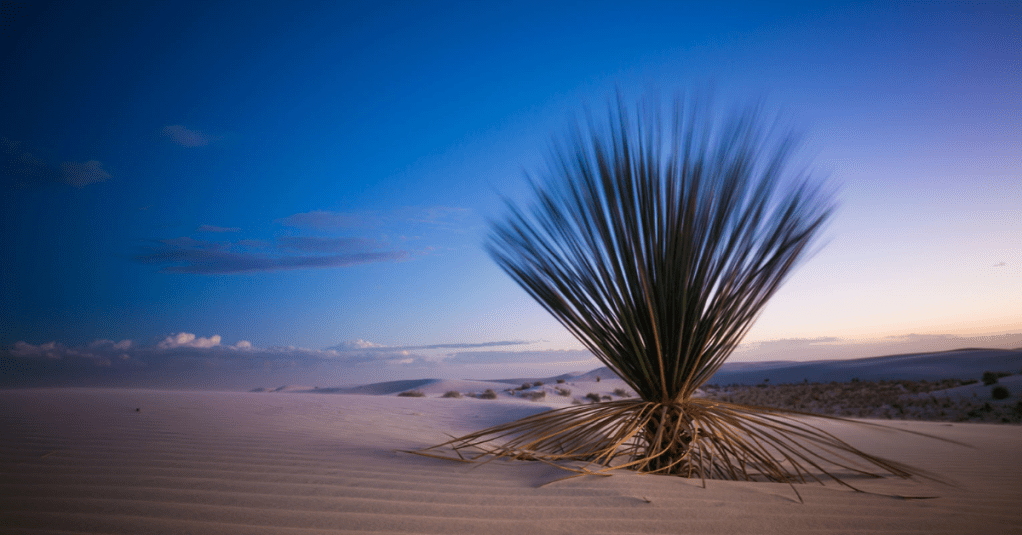
Gomolak Overlook site offers insights into early human adaptation and environmental changes. Sites like these showcase the early settlement patterns of these Paleo-Archaic peoples as well as how long they have occupied the area in their seasonal travels.
One of the challenges faced with the site’s location is its vicinity to the construction area of the 704th Test Squadron’s future test track. Yet the 49th Mission Support Group and the 49th CES are taking precautions to mitigate damage to the site while continuing the project.
“Adhering to the National Historic Preservation Act, we will ensure that all necessary steps are taken to preserve the site’s integrity while facilitating the progress of the test track project,” said Scott Dorton, 49th CES environmental chief. “The prospect of building the test track is quite exciting for us as it offers a unique opportunity to explore further and delineate the archaeological site.”
This site is one of 400 archaeological discoveries found within Holloman’s gates and has the potential for future sites to be uncovered. The Department of Defense’s stewardship of vast tracts of land, including areas between White Sands National Park and Holloman, inadvertently protects numerous documented and undocumented archaeological resources.
White Sands National Park was designated White Sands National Monument on January 18, 1933, by President Herbert Hoover; it was redesignated as a national park by Congress and signed into law by President Donald Trump on December 20, 2019. White Sands is the most visited National Park Service site in New Mexico, the park features a drive from the visitor center to the heart of the dunes, picnic areas, backcountry campground in the dune field, marked hiking trails, and sledding on the dunes. Ranger-guided orientations and nature walks occur regularly throughout the year.
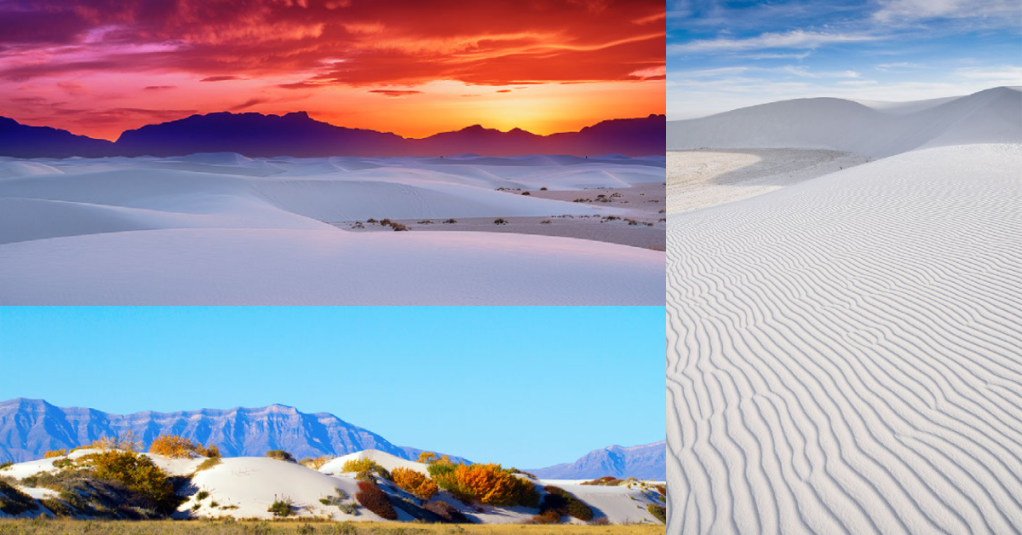
FEATURES
Dunes Drive is a road that allows cars to drive through the middle of the park. Dunes Drive is an 8-mile scenic drive that begins at the visitor center and ends at a turnaround parking area within the dunes. The round-trip is a 16-mile drive that takes roughly 45 minutes to an hour depending on traffic.
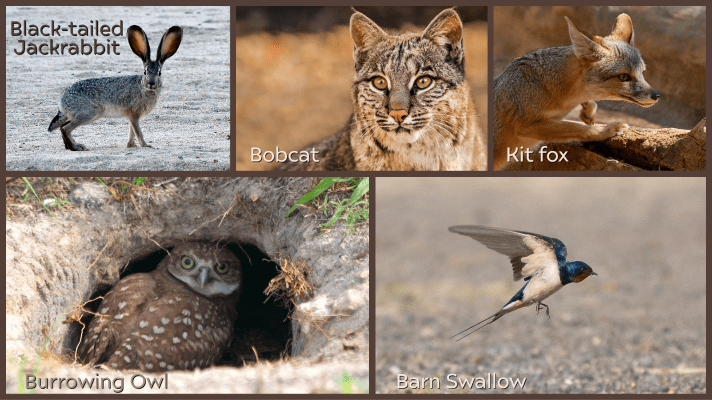
Wildlife such as kit foxes, rodents, coyotes, burrowing owls, black-tailed jackrabbits, porcupines and even barn swallows’ call White Sands home, if they could talk.
Wildflowers such as the Greenthread, Colorado Four O’Clock and Desert Mentzelia, and Globe Mallow make for a lovely contrast to the sparkling white sand. Be sure to contact the monument rangers ahead of time to find more specific information about wildflowers when visiting. It can vary based on the weather conditions.



 Favourite Haunts
Leave a comment