
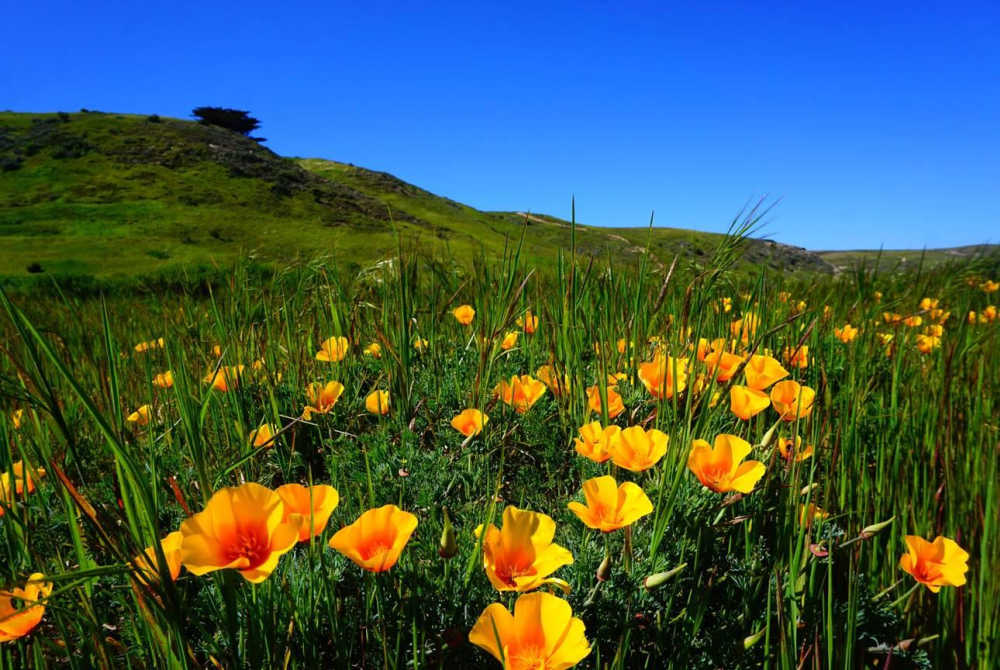
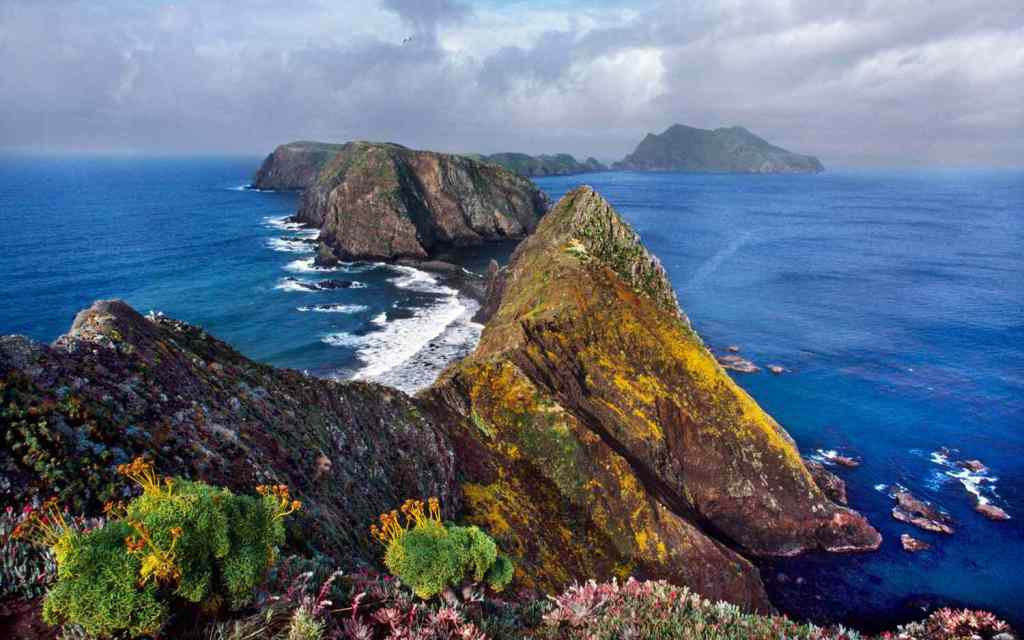
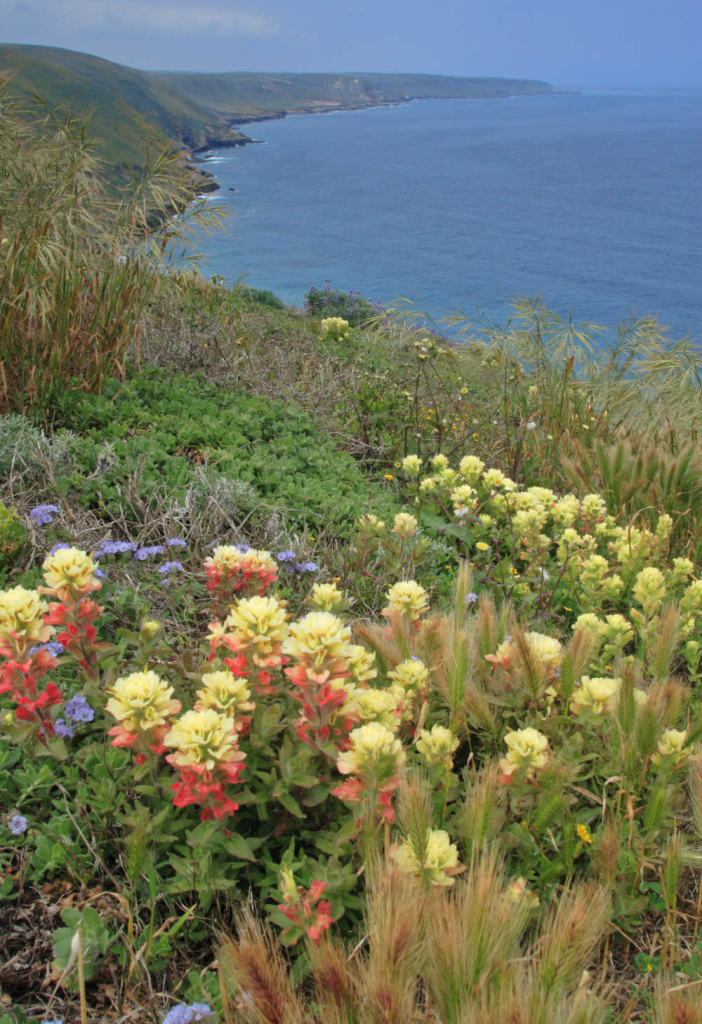
Winter & Spring rains bring a dramatic change to the islands, turning the brown and dormant coreopsis in brilliant bursts of yellow and green with Indian Paint Brush and Morning Glories adding even more beauty.
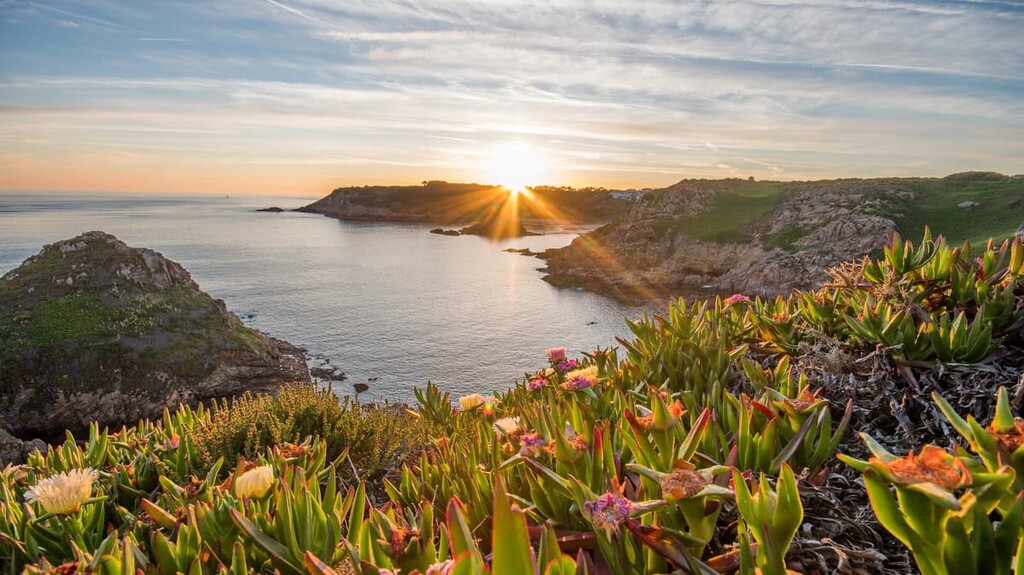
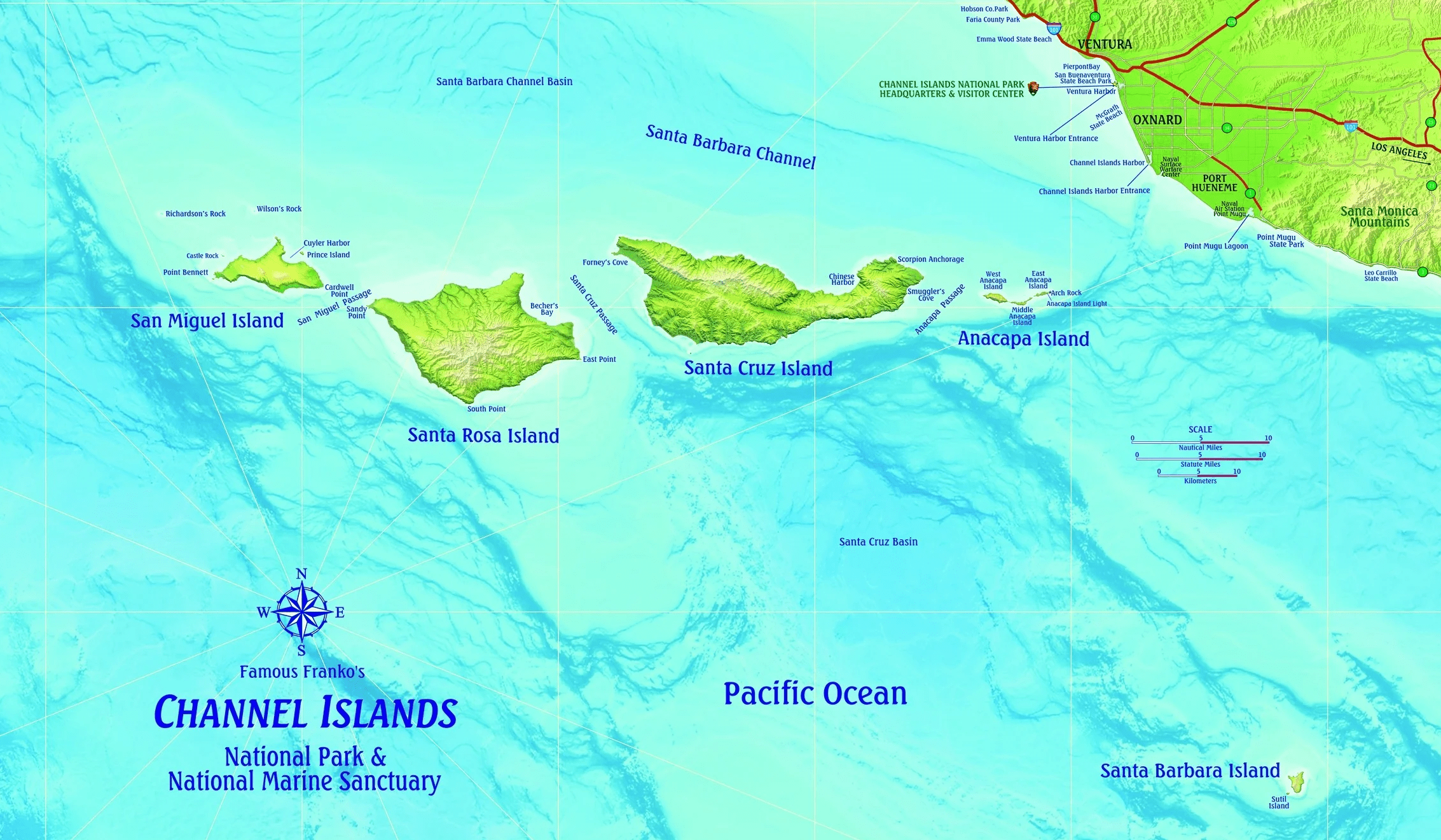
Channel Islands National Park consists of five of the eight Channel Islands off the Pacific coasts of California. Despite the islands closeness to the shore of the densely populated state, they are undeveloped. The islands are home to significant natural and cultural resources, resulting in several designations. Anacapa and Santa Barbara islands were made a national monument in 1938. The visitor center, located in the Ventura Harbor contains several exhibits that provide information regarding all five islands, native vegetation, marine life and cultural history. All eight islands became a biosphere reserve under the United Nations Educational, Scientific and Cultural Organization UNESCO with Anacapa, Santa Barbara, Santa Cruz, San Miguel and Santa Rosa made constituent to the new national park on March 5, 1980.
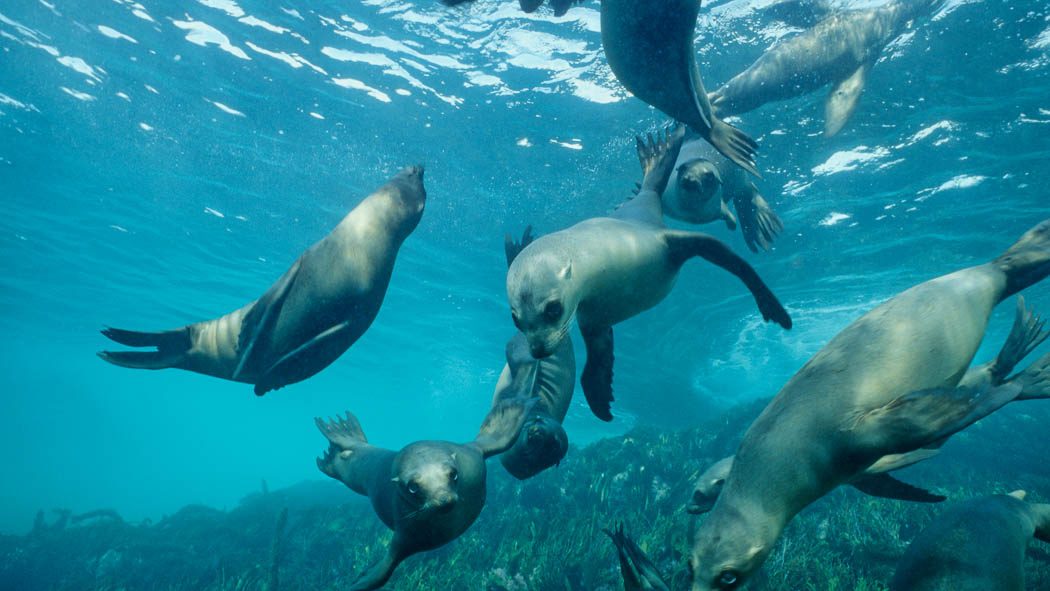
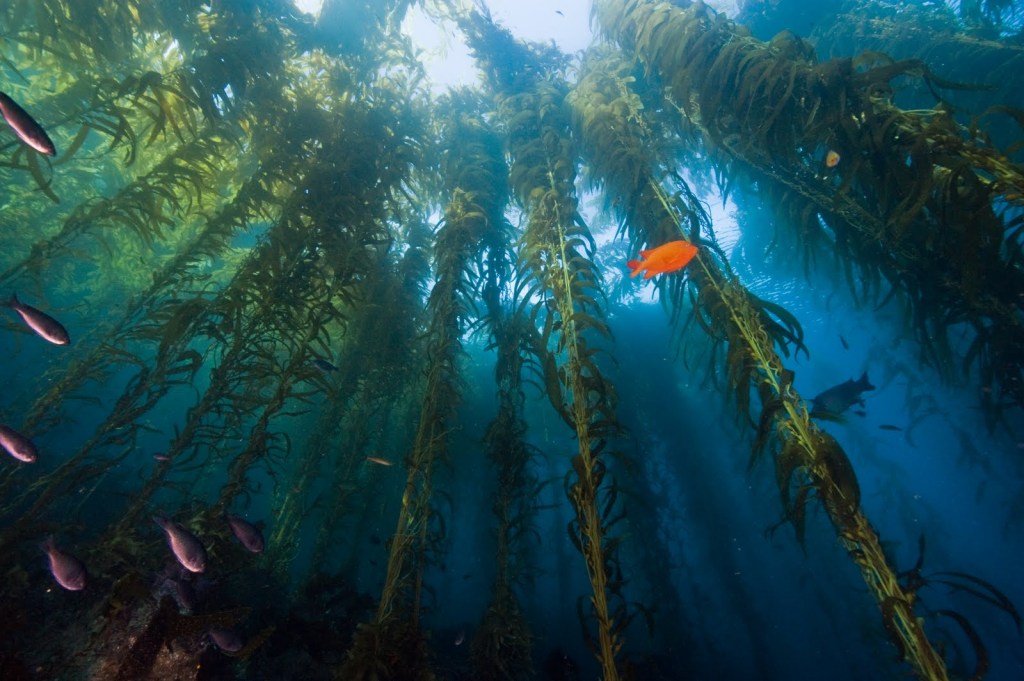
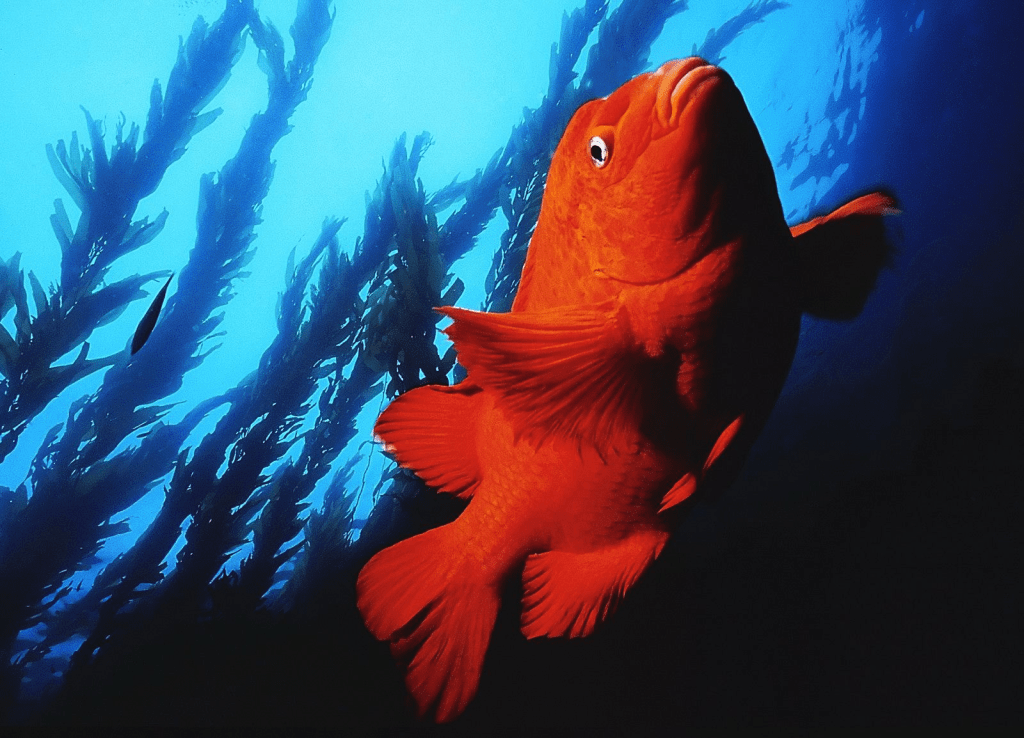
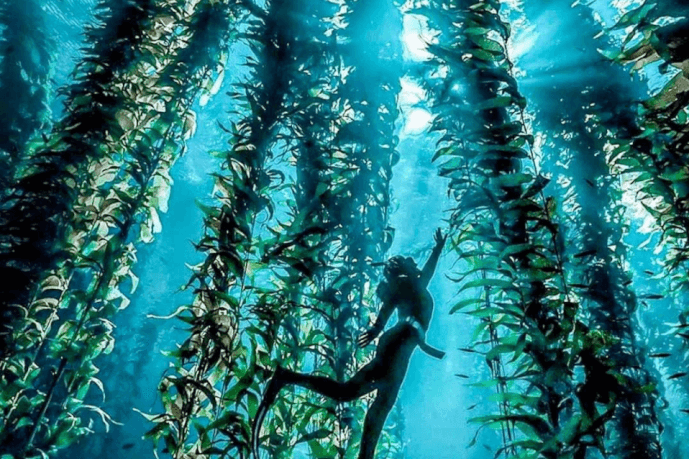
Channel Islands’ underwater habitats are rich with life because they lie between two extremely diverse biogeographic provinces, the Oregonian and the Californian creating the myriad of marine species interspersed throughout. These organisms thrive here as they are fed by the upwelling of cold, nutrient-rich water, and are somewhat protected by their distance from the mainland.
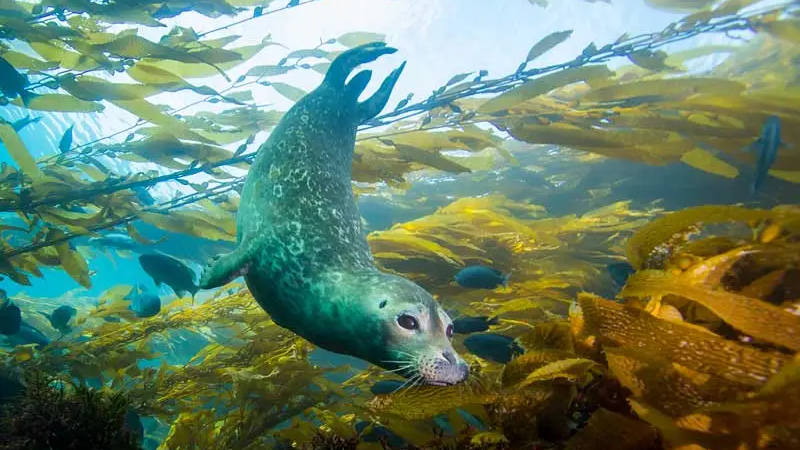
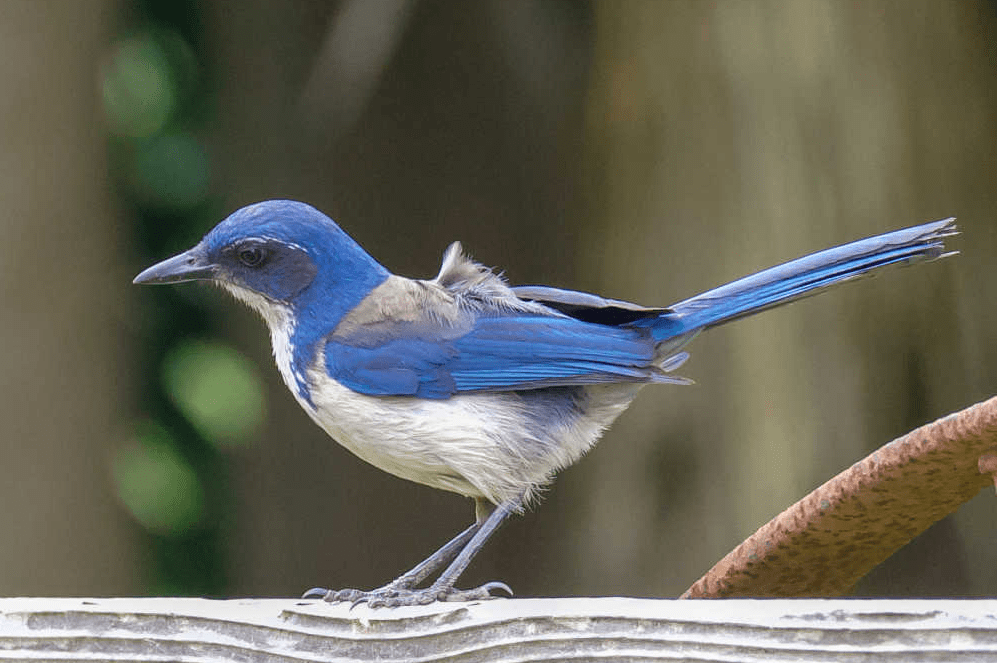
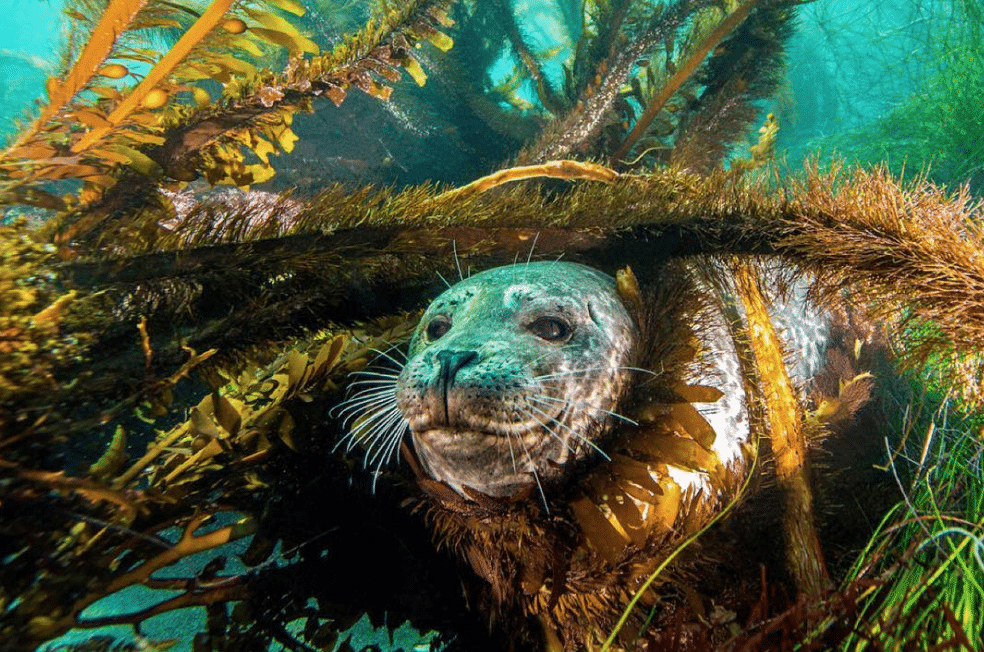
More than 2,000 species of plants and animals call the park home. However, only three land mammals are native to the islands, the deer mouse, the spotted skunk and island fox. The island fence lizard and island fox are endemic or restricted to one place on the Islands. Other unique species include island scrub jay, harbor seal, California sea lion, island night lizard, barn owl, American kestrel, horned lark and meadowlark and California brown pelican.

Marine Sanctuary
Channel Islands National Marine Sanctuary protects 1,470 square miles of ocean waters around the Northern Channel Islands: Anacapa, Santa Cruz, Santa Rosa, San Miguel, and Santa Barbara islands. A special place for endangered species, sensitive habitats, historic shipwrecks, and cultural resources, the sanctuary provides protection through research, education, conservation, and stewardship.
Santa Rosa
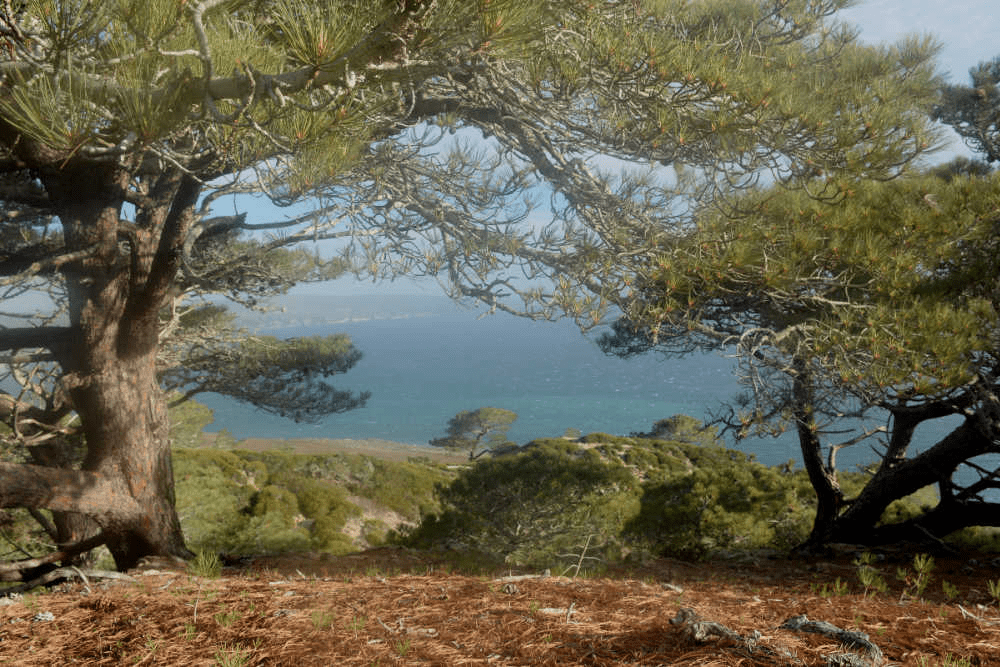
Santa Rosa Island is the second largest of the Channel Islands of California at 53,195 acres. The Torrey pine population is estimated at approximately 1000 trees. The island oak is native to the island. Its surrounding waters serve as an invaluable nursery for the sea life that feeds larger marine mammals and seabirds. Great white sharks are fairly common in the northern Channel Islands (San Miguel and Santa Rosa) and feed on the abundant marine mammals. It is unwise to swim or dive alone near seal colonies where white sharks may be present.
Santa Barbara
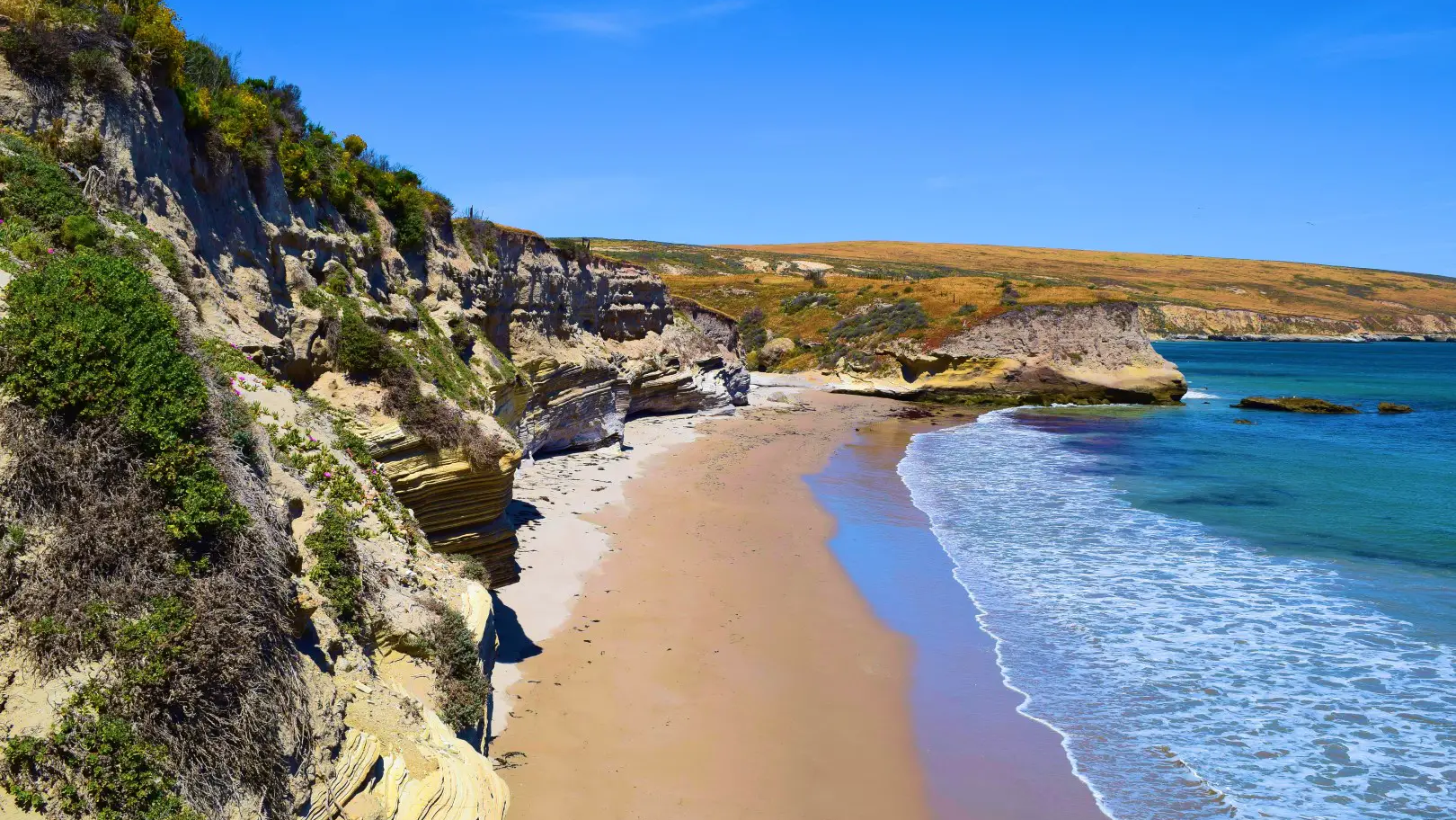
Santa Barbara it is the smallest of the eight Channel Islands. It is the southernmost island in the park. Its marine ecosystem is part of the Channel Islands National Marine Sanctuary and is home to a large sea lion rookery and seabird nesting colonies. It is also home to the largest breeding colony for Scripps’s murrelet, a threatened seabird species. Scripps’s murrelet is listed as vulnerable because so much of its breeding takes place on such a small and isolated island. The horned lark, orange-crowned warbler, and house finch are some of the fourteen species of birds nest annually on the island. Other birds include the storm petrels, Scripps’s murrelet, Guadalupe murrelet, and cormorants. Sea lions, harbor seals, and northern elephant seals are found along the shoreline.
San Miguel
San Miguel is the sixth largest of the eight Channel Islands at 9,325 acres, including offshore islands and rocks. San Miguel Island has been designated as an archaeological district on the National Register of Historic Places. This westernmost Channel Island receives northwesterly winds and severe weather from the open ocean. The cold and nutrient-rich water surrounding the island is home to a diverse array of sea life that is not found on the southern islands. Five different pinniped species and over 30,000 individuals can be found at Point Bennett, one of the largest concentrations of wildlife in the world. Portions of the 1935 film “Mutiny on the Bounty” were filmed on the island.

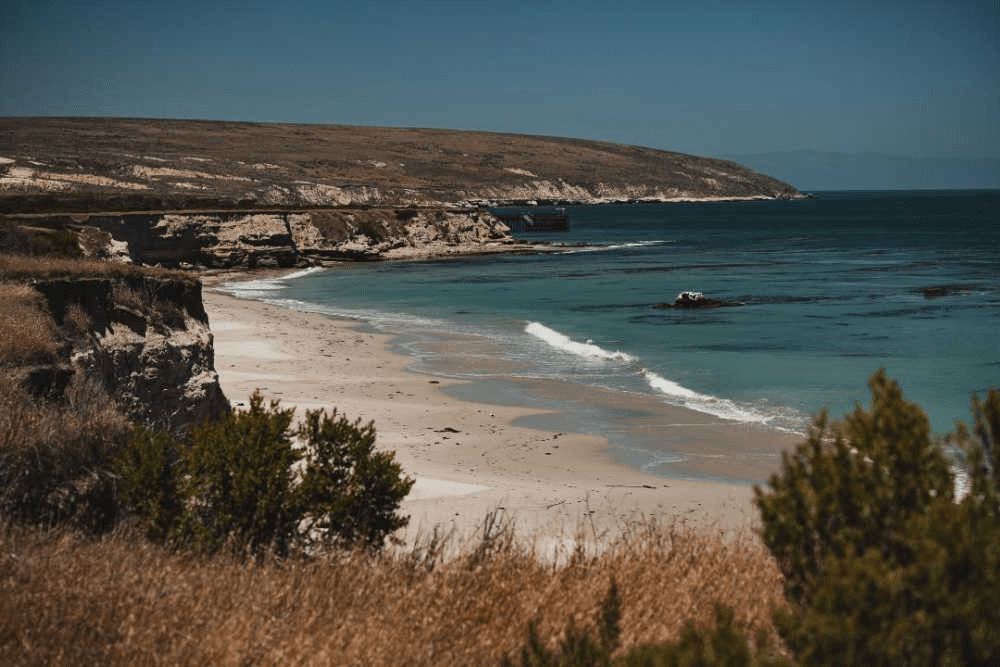
Visitors to the island are restricted to ocean access at Cuyler Harbor. This landing is well protected from the strong ocean swell that is driven from the northwest. Cuyler has a sandy beach and visitors will often find themselves sharing the beach with elephant seals and other pinnipeds. One-day trips, multi-day boat trips, and overnight camping are all options when visiting San Miguel Island.
Santa Cruz
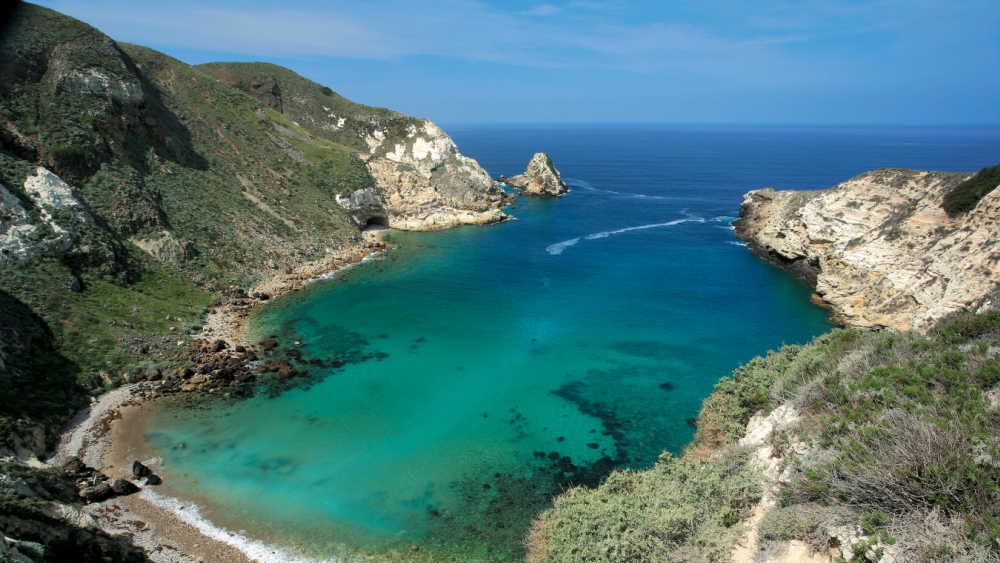
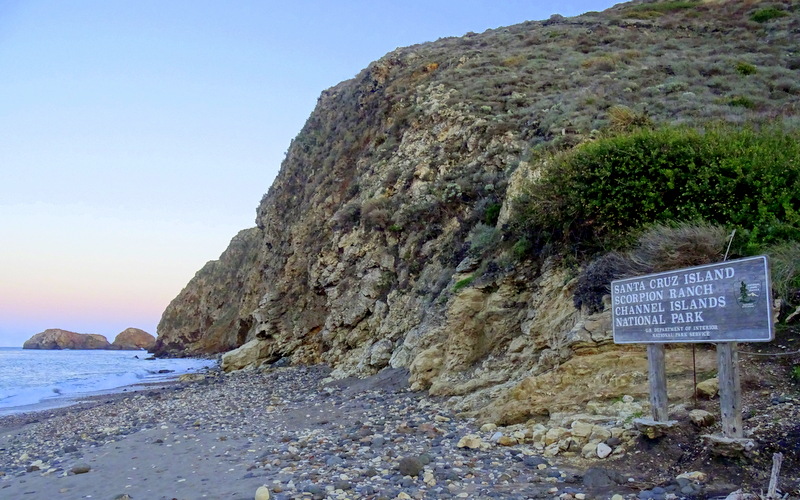
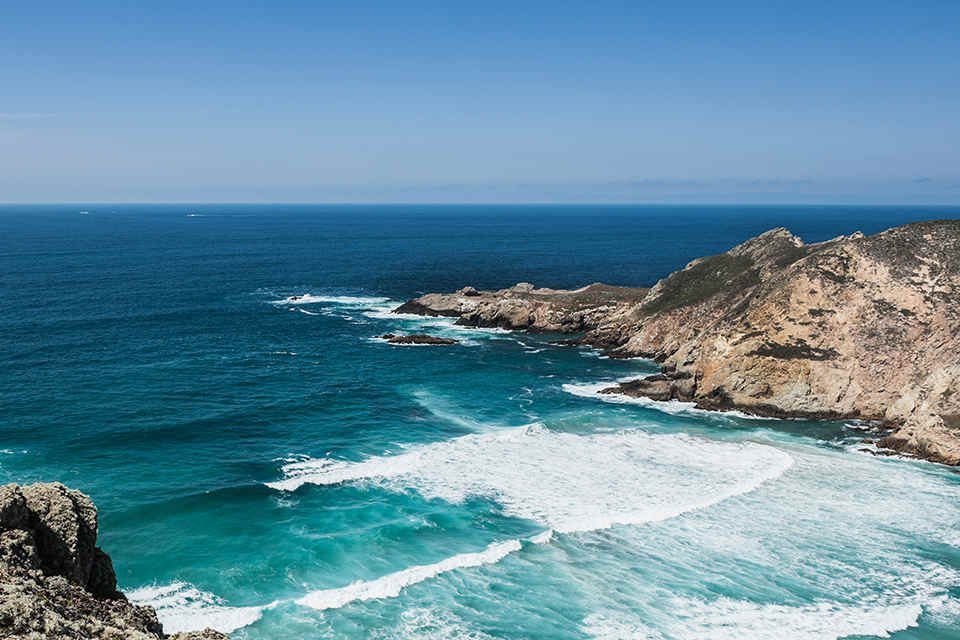
The island’s coastline has steep cliffs, large sea caves, coves, and sandy beaches. The highest point is Devils Peak, at over 2,450 feet (747 m). A central valley divides the island along the Santa Cruz Island Fault, with volcanic rock on the north and older sedimentary rock on the south. This volcanic rock was fractured during an uplift phase that formed the island, and over a hundred large sea caves have been carved into the resulting faults. The largest of these, Painted Cave, is among the world’s largest. Santa Cruz is the largest privately owned island off the contiguous United States. Ownership is split between the National Park Service (24%) and the Nature Conservancy (76%).
Painted Cave
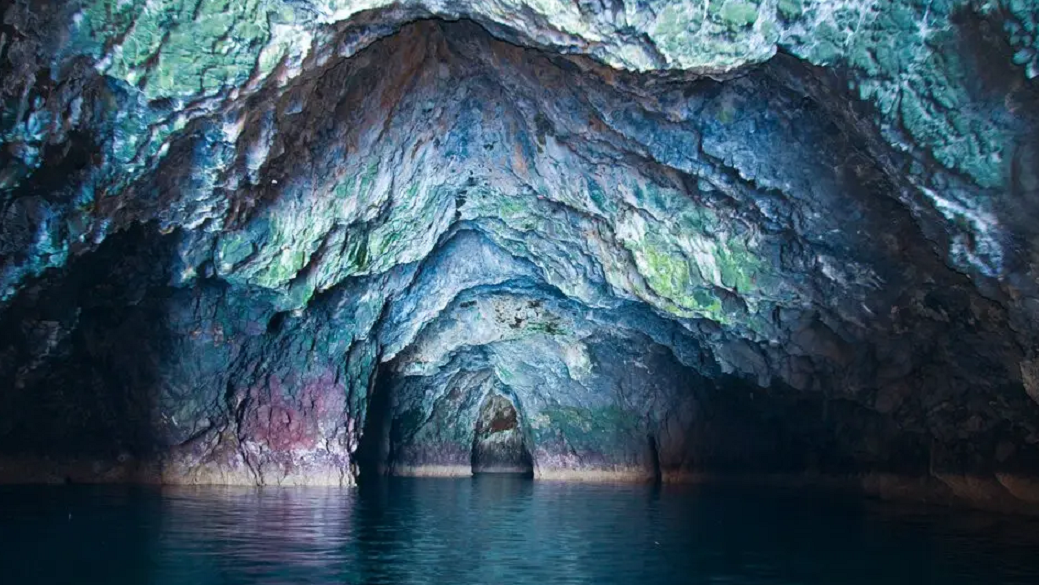
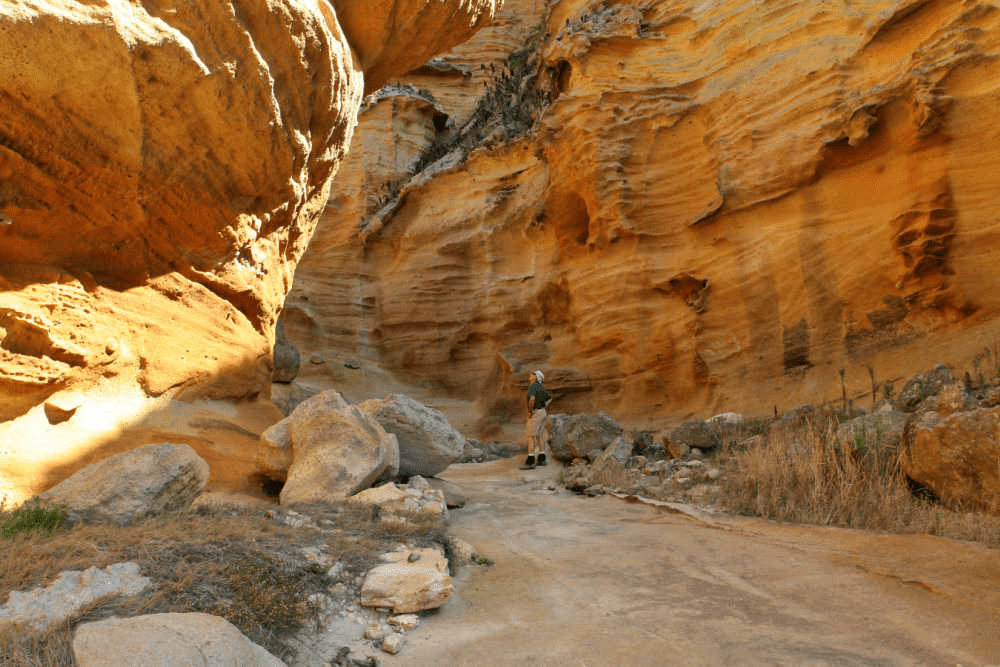
The giant sea caves of Santa Cruz Island are a large part what makes the Channel Islands special. Formed by millennia of erosion of the volcanic rock, these sea caves are full of unique animal & plant life. The most imposing of the island sea caves, the Painted Cave, is the largest.
Anacapa
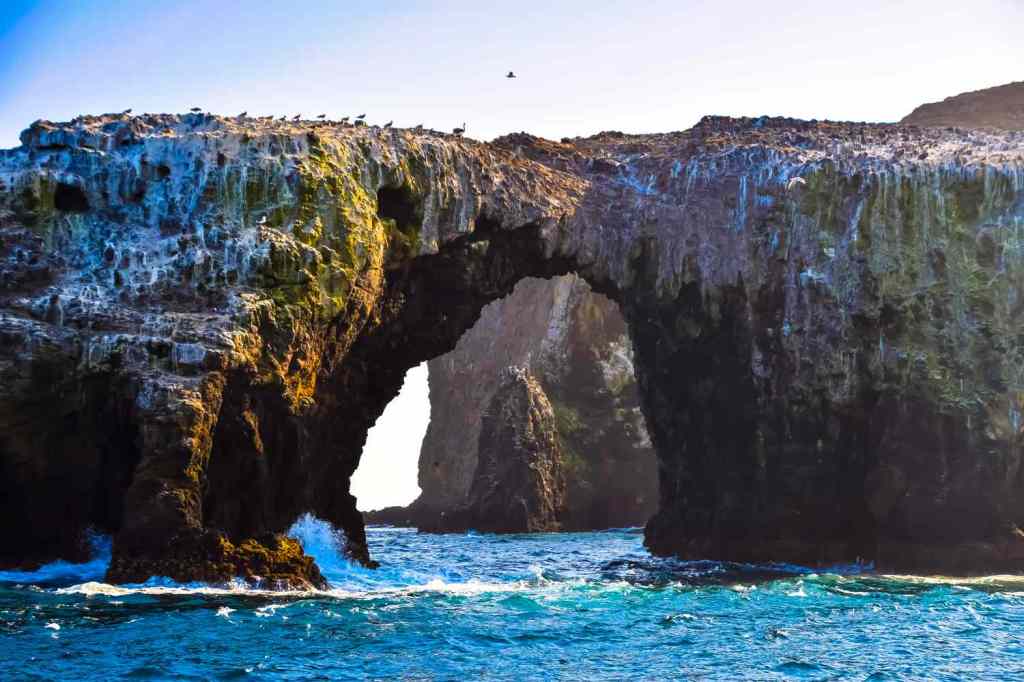
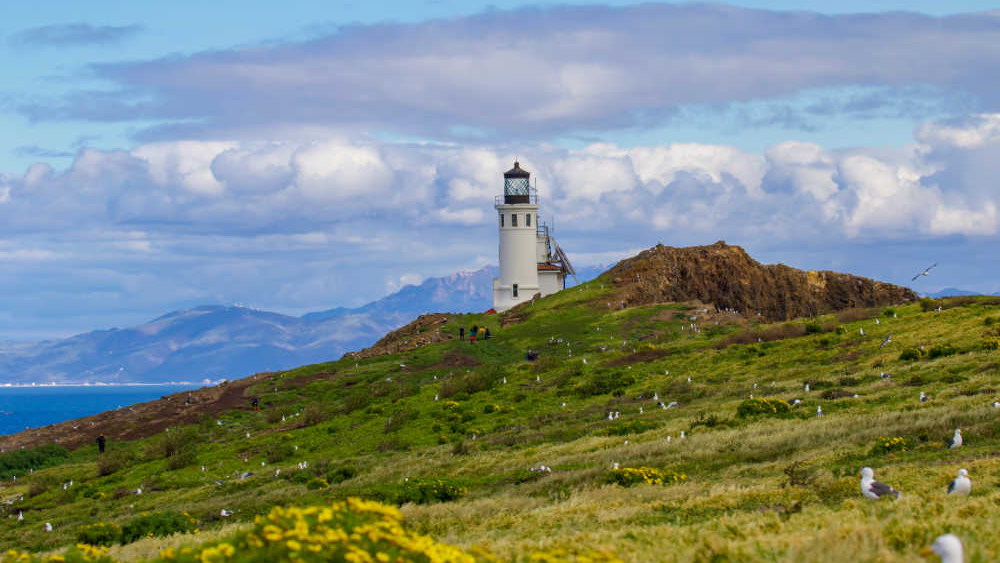
Almost five miles long, these islets (appropriately named East, Middle, and West Anacapa Islands) are inaccessible from each other except by boat. They have a total land area of about one square mile (700 acres). Waves have eroded the volcanic island, creating towering sea cliffs, sea caves, and natural bridges, most notably the forty-foot-high Arch Rock. Anacapa is a breeding area for California sea lions and harbor seals. The raucous barking of sea lions can be heard from most areas of the island. Two overlooks Cathedral Cove and Pinniped Point provide excellent spots to look down on dolphins, seals and sea lions in the island coves.
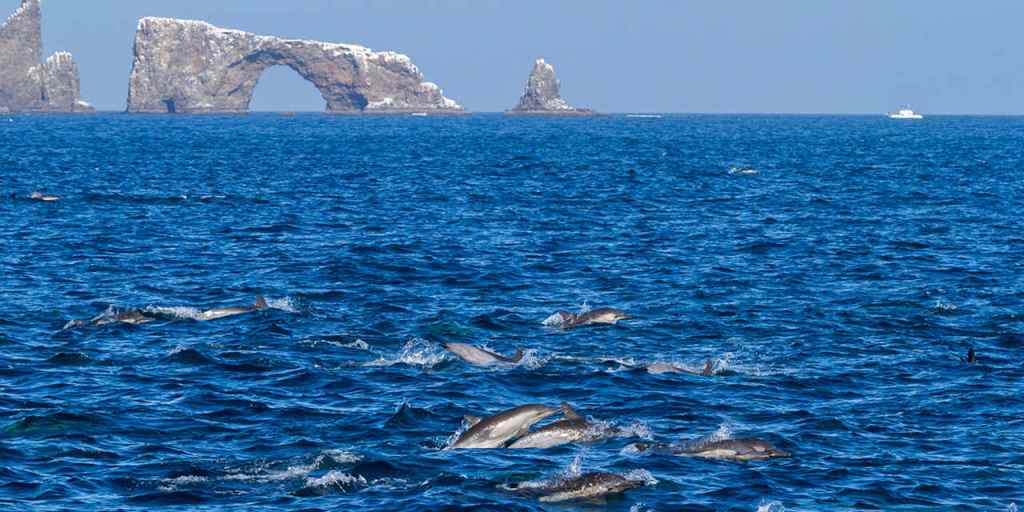
Visitors can view the 1932 light station whose mission revival style buildings include the lighthouse, fog signal building, one of four original keeper’s quarters, a water tank building, and several other service buildings. The original lead-crystal Fresnel lens, which served as a beacon to ships until an automated light replaced it in 1990, is on exhibit in the East Anacapa Visitor Center.
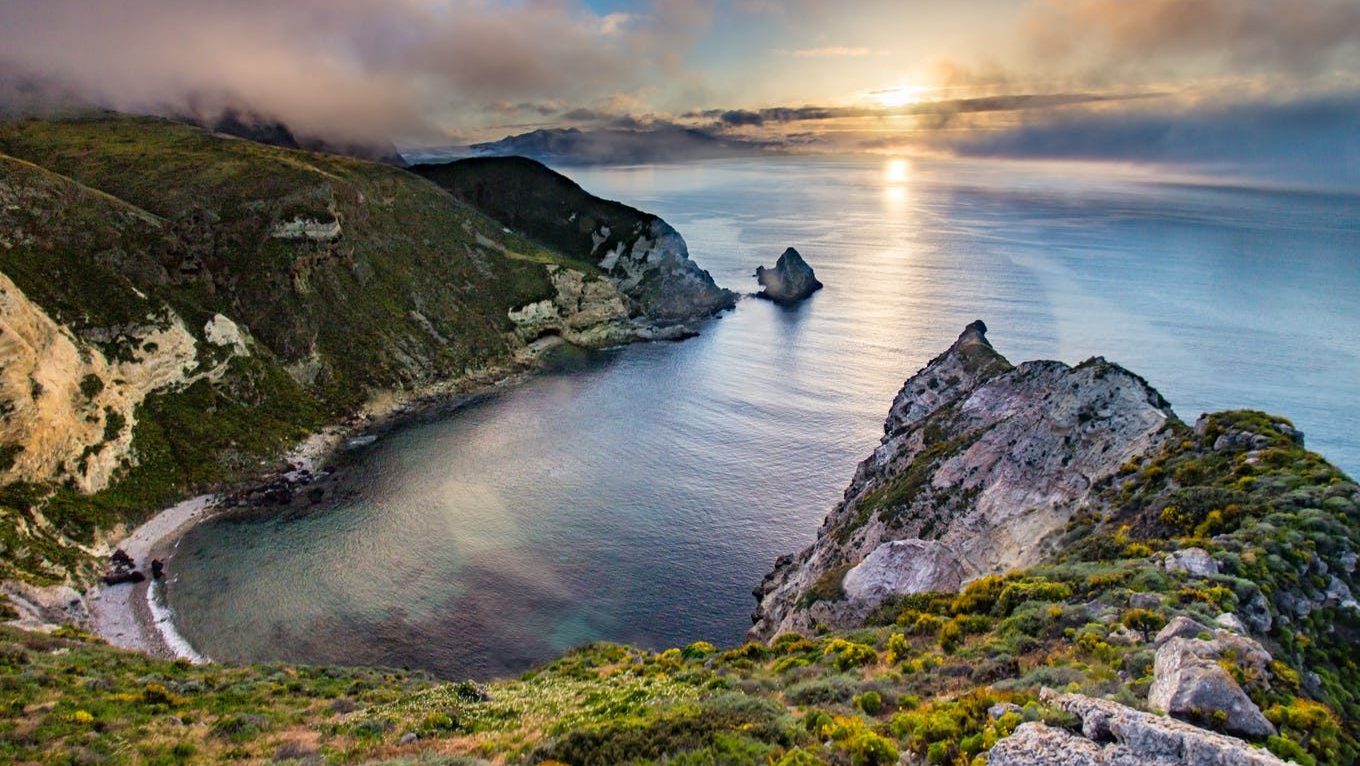
Exploring East Anacapa’s two-mile trail system allows visitors to experience the island’s native vegetation, wildlife, and cultural history. Although for much of the year the island vegetation looks brown and lifeless, the winter rains transform the landscape. Emerging from dormancy, the native plants come alive with color. The strange tree sunflower, or coreopsis, blossoms with bright yellow bouquets that are so vivid and numerous they can sometimes be seen from the mainland. Vibrant red paintbrush, island morning glory, and pale buckwheat add touches of color to the island’s palette.
Weather Conditions
One can enjoy the islands throughout the entire year. But be prepared for high winds, fog, rough seas, and sea spray at any time. Ocean and weather conditions vary considerably from day-to-day and island-to-island. Although this complicates planning a visit, unpredictable weather is one of the main reasons that the islands have been afforded so much seclusion and protection from the rapid changes demonstrated on the mainland.
In general, the islands have a year-round Mediterranean climate. Temperatures are pretty stable, with highs averaging in the mid-60s (°F) and lows in the low-50s. Due to weather variation, visitors to the islands should dress in layers, with short and long pants, warm jacket or sweatshirt, windbreaker, hat, sunscreen, and waterproof outer clothing. Visitors should wear sturdy shoes with non-slip soles and hiking boots.
Islands with Moderate Winds
Anacapa, Eastern Santa Cruz & Santa Barbara
Islands with High Winds
Santa Rosa & San Miguel
Dense Fog
Late Spring & Early Summer
How to Get to the Channel Islands
Island Packers Cruises
91 Spinnaker Drive #105B, Ventura, CA 93001
805-642-1393
There are cruises that travel to these islands daily. There are also Island Wildlife Cruises, these 3.5-hour cruises will take you through the waters of the Santa Barbara Channel, Channel Islands National Marine Sanctuary and the Channel Islands National Park. Multiport day trips, and cruises to Anacapa, Santa Cruz and Santa Rosa islands round out the cruise offerings.
Oxnard Harbor and Ventura Harbor
Island Packers website
Operating Hours & Seasons
The visitor centers in Ventura and Santa Barbara are closed Thanksgiving and Christmas or December 25th.
The Robert J. Lagomarsino Channel Islands National Park Visitor Center
1901 Spinnaker Dr, Ventura, CA 93001-4354
Visitor Center Website Open 8:30 am to 5:00 pm daily
The Outdoors Santa Barbara Visitor Center
113 Harbor Way, 4th Floor, Santa Barbara, CA 93109-2344
Visitor Center Website Open 11:00 am to 5:00 pm daily
Kayak Guide, Outfitting, and Snorkeling Rental Services Scorpion Area, Eastern Santa Cruz Island
Channel Islands Adventure Company
32 E. Haley St., Santa Barbara, CA 93101
(805) 884-9283
Vessel-Based Tours
Santa Barbara Sailing Center
133 Harbor Way, Santa Barbara, CA 93109
(805) 962-2826
Wild California Escape: Channel Islands National Park
5-day tour leaves from Los Angeles and visits the Channel Islands and Catalina Island.
Los Angeles Maritime Institute
73 Bertg Suite 2, San Pedro, CA 90731
(310) 833-6055
Educational Activities, Guided Hiking, and Camping
Santa Barbara Adventure Company
32 E. Haley St., Santa Barbara, CA 93101
(805) 884-9283
4 Points Expeditions
35 West Main Street B341, Ventura, CA 93001
(805) 320-7602
Gallery

 Favourite Haunts
Leave a comment