

Serengeti National Park
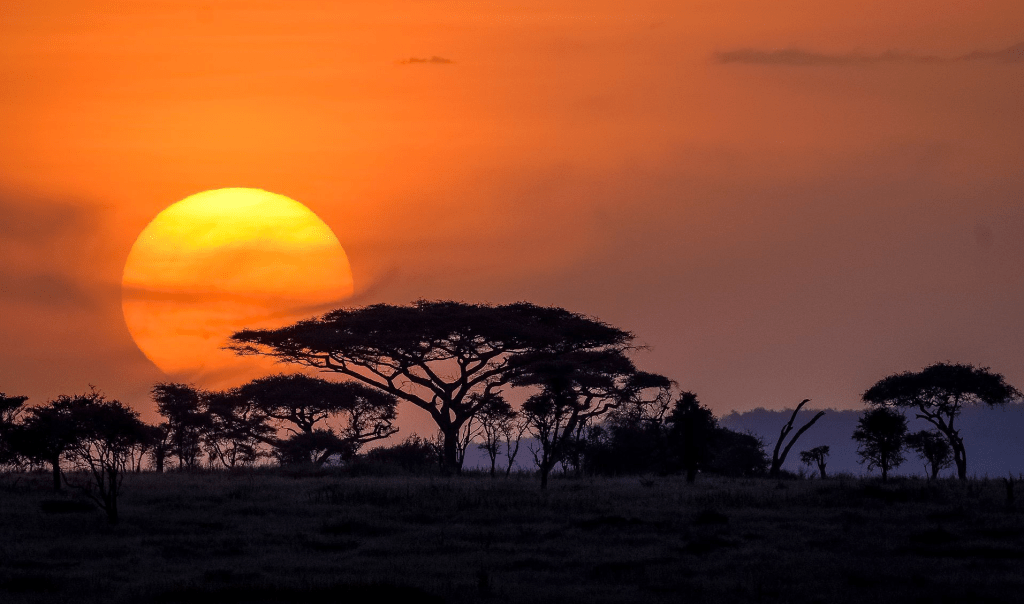
The name “Serengeti” is often attributed to a Maasai word siringet, meaning “the place where the land runs on forever” or “endless plains”. However, this word does not appear in dictionaries of the language.
The park was granted strict protection in 1948 when the Serengeti National Park Board of Trustees was formed to administer the national park. The government restricted the movements of the resident Maasai people, and the park boundaries were finalized in 1951. In 1959, an area of 8,300 km2 (3,200 sq mi) was split off in the eastern part of the national park and re-established as Ngorongoro Conservation Area intended to accommodate the traditional land use interests of the Maasai people in a multiple land use area
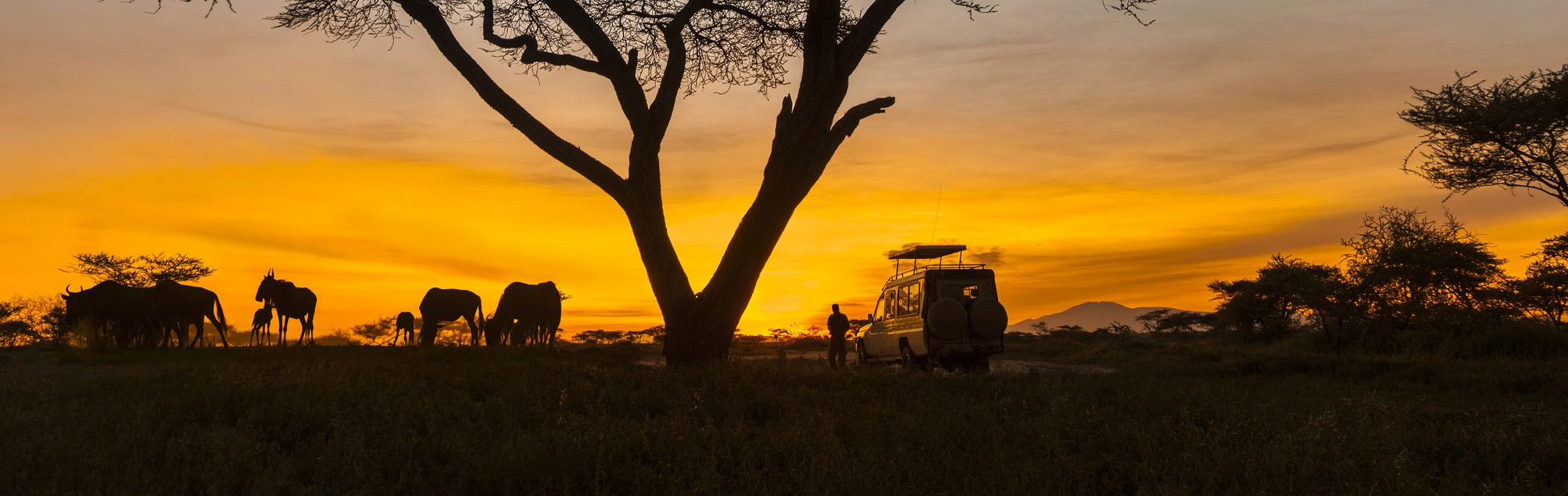
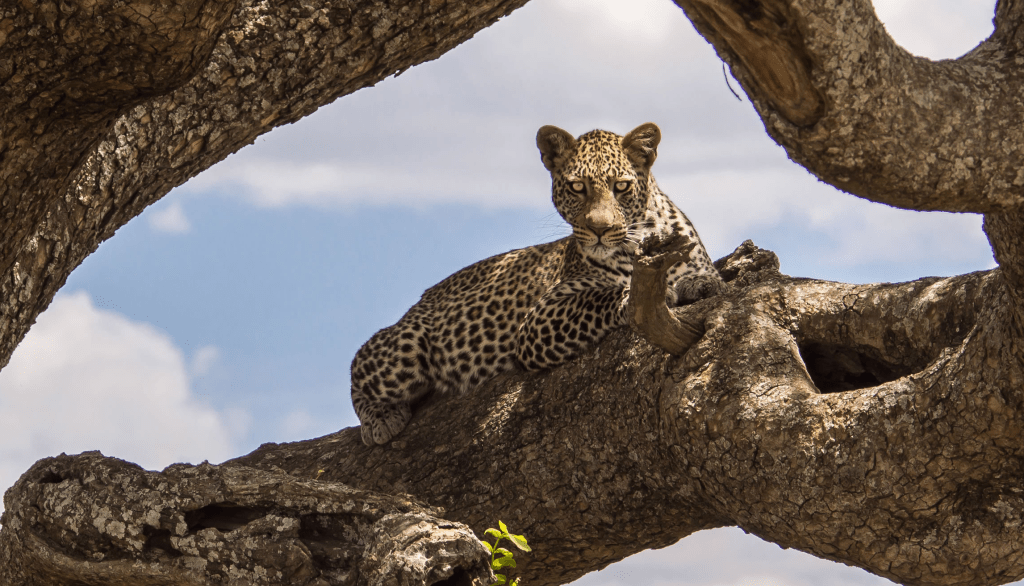
A tour of Serengeti National Park puts you in the heartland of the great exodus. Where 1.5 million wildebeests and 200,000 zebras migrate from their southern breeding grounds to follow the rain on a 1,200-mile journey through the plains and woodlands. This park also has lions, elephants, leopards and buffalo.
Lodges and When to Visit
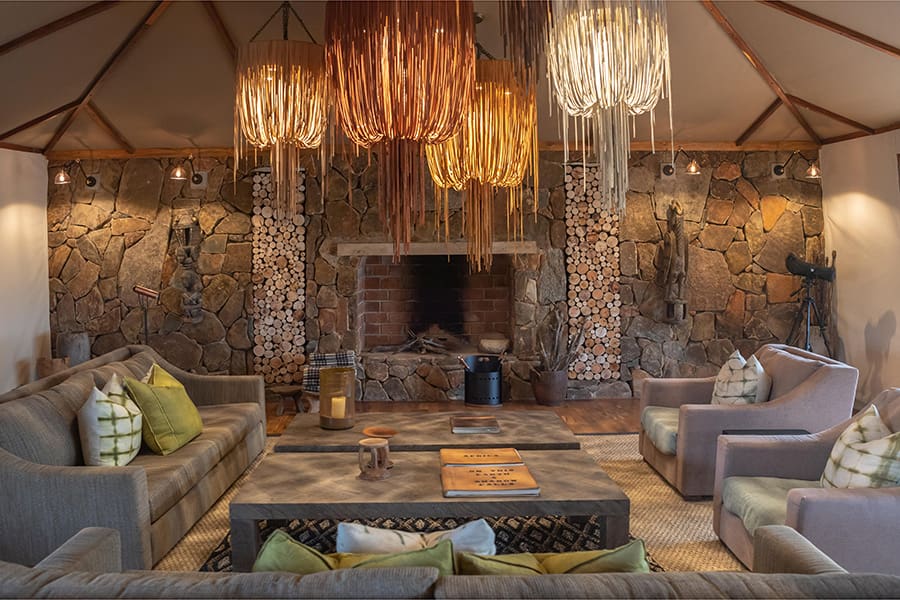
You can find the perfect accommodation in Serengeti National Park from adventurous mobile tented camps to family-oriented lodge style accommodations. The dry season from late June to October is best for a safari in the Serengeti National Park. Animals gather around rivers and waterholes to quench their thirst. The Great Migration is at its absolute prime and your chances of witnessing an iconic river crossing are at their best. Most lodges will remain open during the more tranquil ‘wet season’ when the rains turn the dry landscape into a lush, green oasis and the birthing season begins.

Nearby Points of Interest
Mount Kilimanjaro
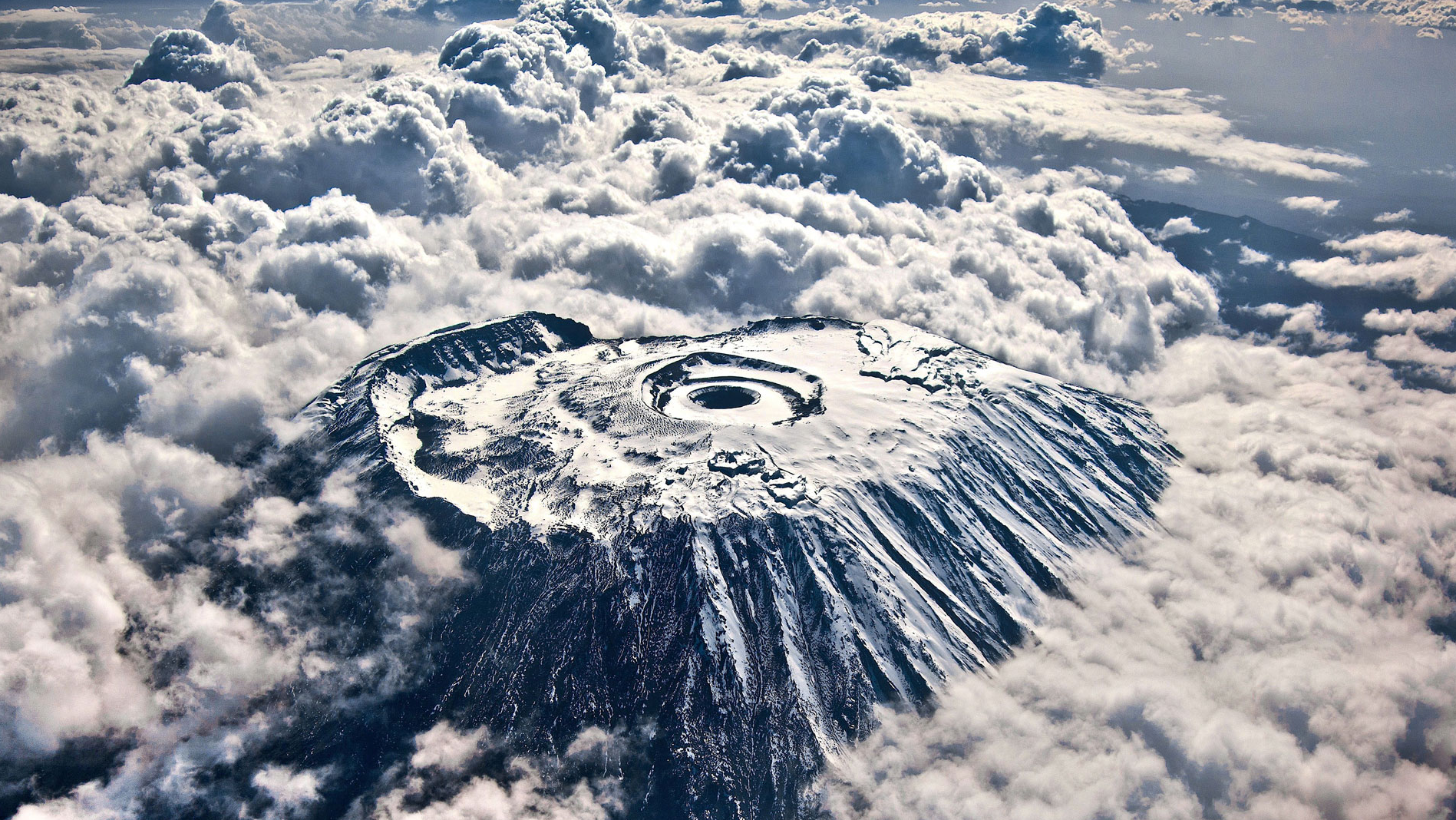
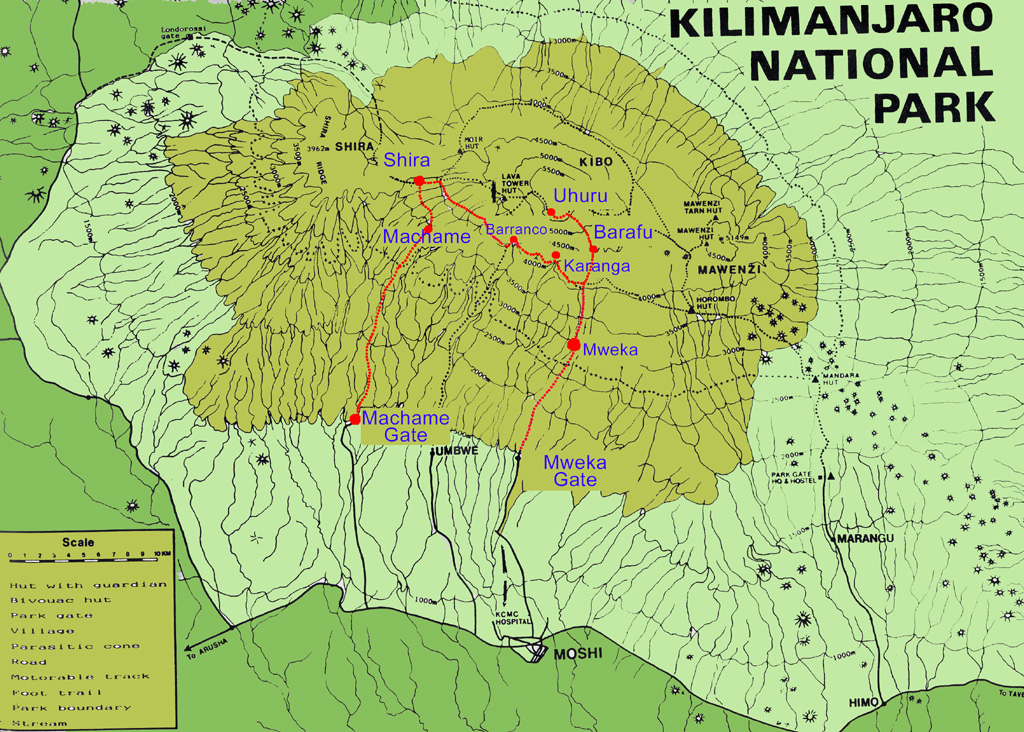
Mount Kilimanjaro is Africa’s tallest and the world’s largest free-standing mountain.
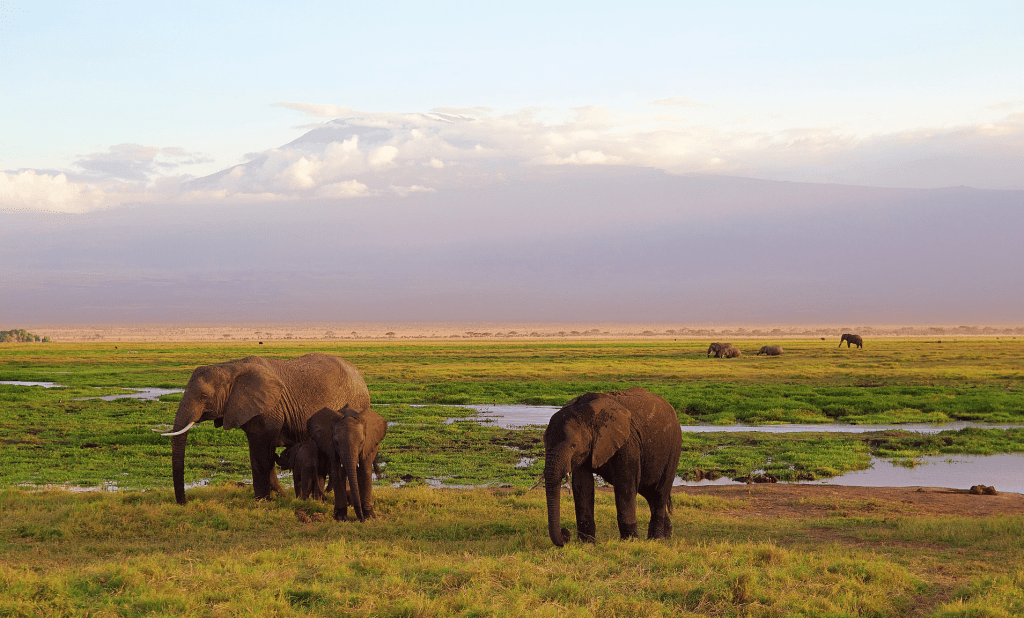
Mount Kilimanjaro is Africa’s tallest mountain at about 5,895 meters (19,340 feet). It is the largest free-standing mountain rise in the world, meaning it is not part of a mountain range. With its snow-capped peak, the Kilimanjaro is a breath-taking natural phenomenon, standing in isolation above the surrounding plains presiding over the savannah. The views from Arusha and Amboseli are the most famous in the national park.
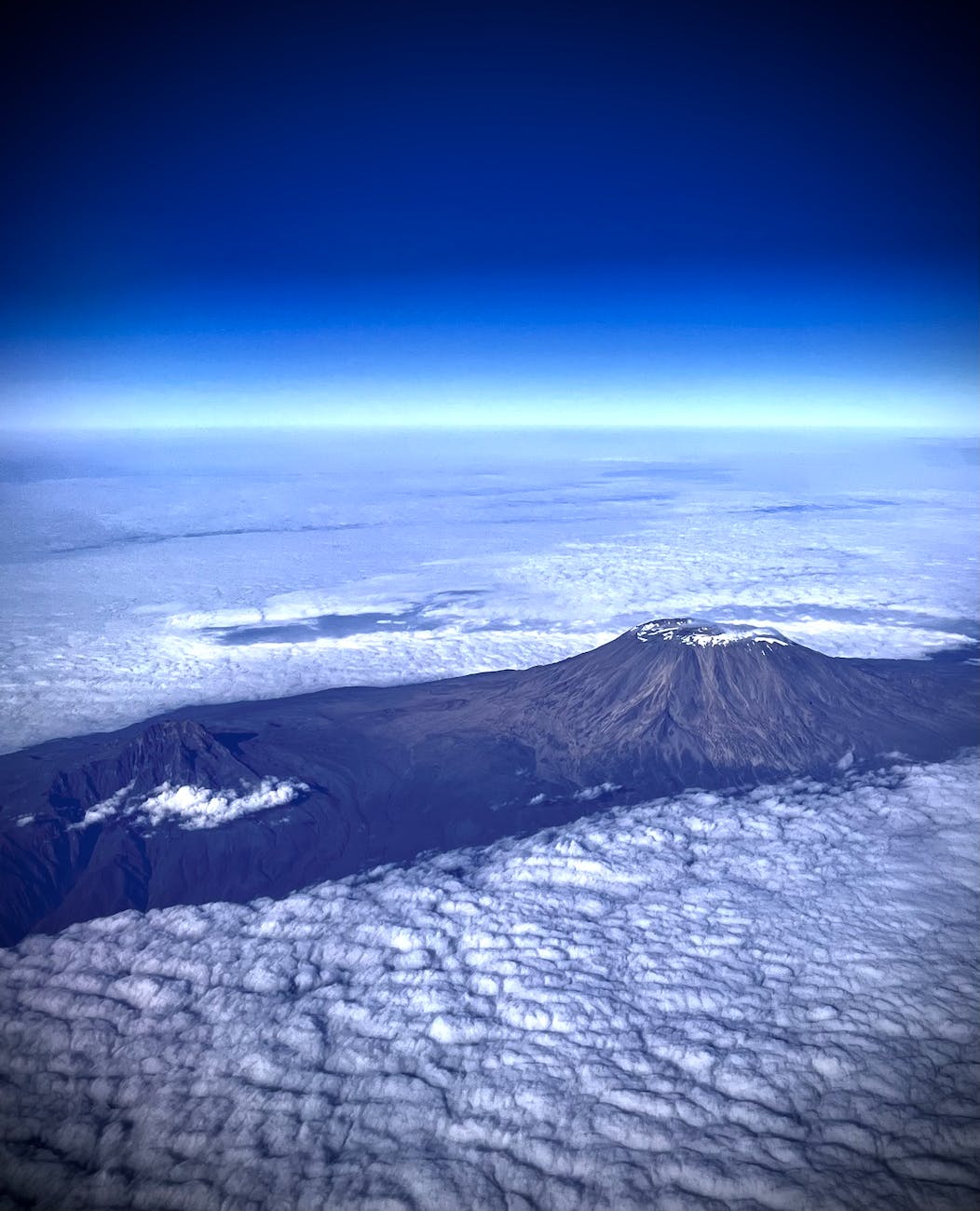
Kilimanjaro is made up of three cones, Kibo, Mawenzi, and Shira. Kibo is the summit of the mountain and the tallest of the three volcanic formations. While Mawenzi and Shira are extinct, Kibo is dormant and could possibly erupt again. Scientists estimate that the last time it erupted was 360,000 years ago. The highest point on Kibo’s crater rim is called Uhuru, the Swahili word for “freedom.”
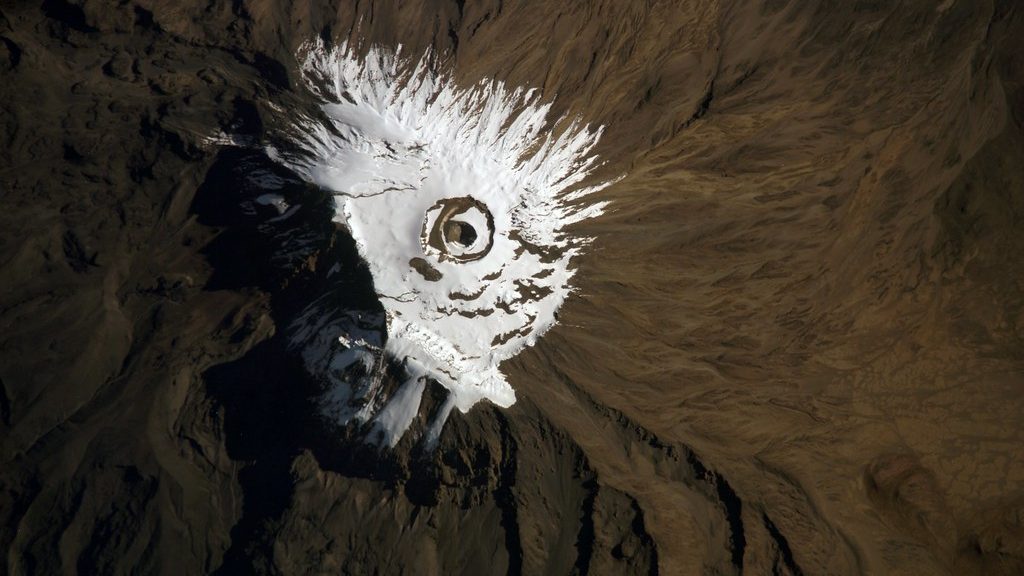
In 1889, German geographer Hans Meyer and Austrian mountaineer Ludwig Purtscheller became the first people on record to reach the summit. Kilimanjaro has since become a popular hiking spot for locals and tourists. Because mountaineering gear and experience is not needed to reach the zenith, many climbers ascend the mountain each year. The climb is still dangerous, however, because of the risk of altitude sickness—a condition climbers experience if they ascend too quickly, which can be deadly if not treated right away.
In 1973, the mountain and its six surrounding forest corridors were named Kilimanjaro National Park in order to protect its unique environment. The park was named a United Nations Educational, Scientific and Cultural Organization or UNESCO World Heritage site in 1987.
Planning Your Trip
The best time to visit Kilimanjaro is typically from January to February and June through October. March to May and November to December are the rainy seasons. During these times, the trail conditions tend to be slippery.
Beginner Routes
If one is a casual mountaineer or hiker, it’s recommended to take either the Marangu, Rongai or Lemosho route.
Marangu Route
Miles: 48.2 Round Trip
Elevation: 13,340 feet
Length: 5-10 Days Total
Rongai Route
Miles: 45 Round Trip
Elevation: 12,940 feet
Length: 5-10 Days Total
Lemosho Route
Miles: 47.5 Round Trip
Elevation: 12,340 feet
Length: 7-11 Days
The Lemosho route offers one of the longest paths to the top of Kilimanjaro, allowing ample time for acclimatization. Typically taking eight days to summit, this route starts on the western side of the mountain and is one of the least traveled paths to the top.
Recommended Tours
2 Day Safari Arusha – Kilimanjaro National Park
Enzi Safaris – Kilimanjaro
Zanzibar Archipelago
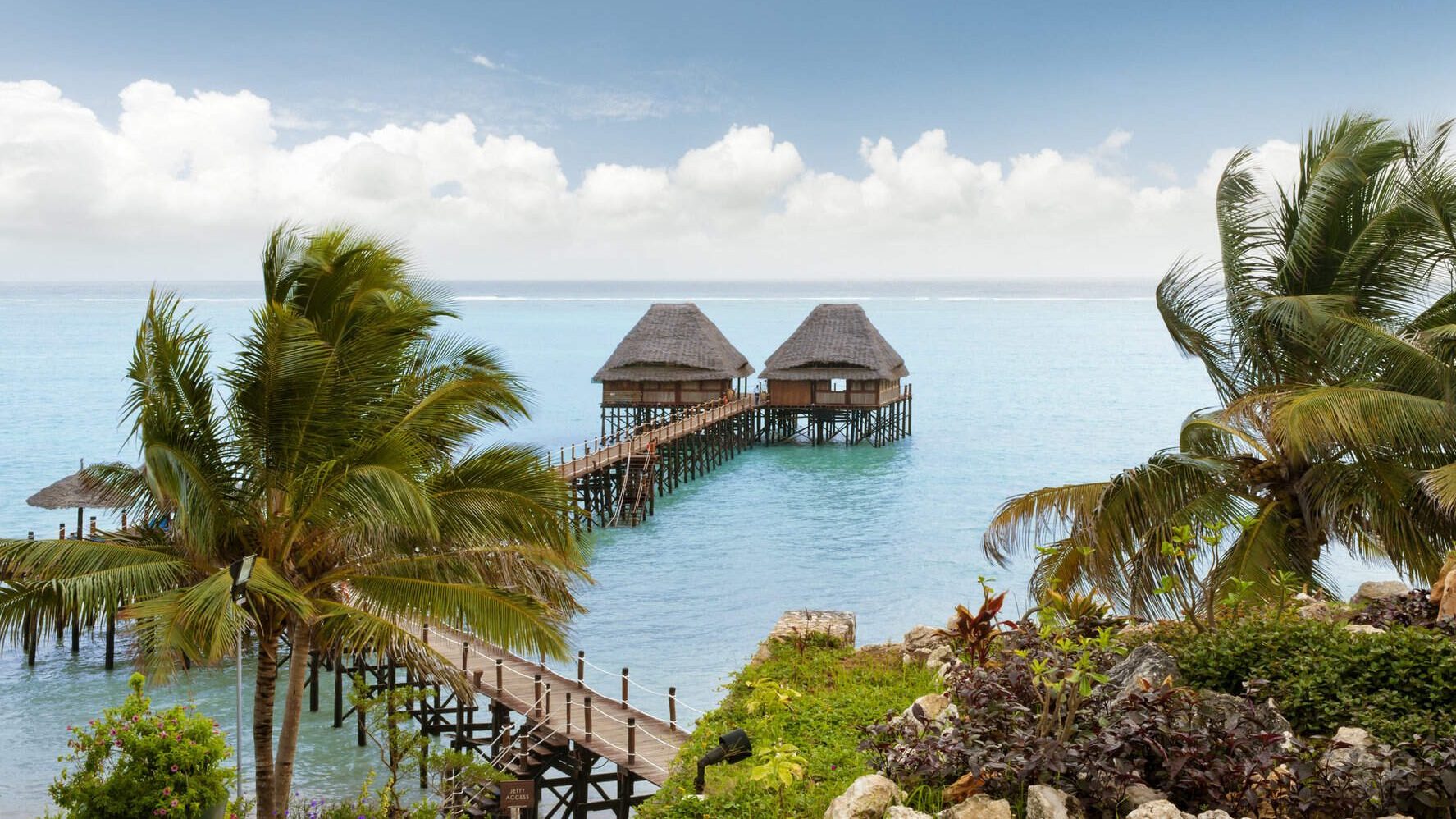
The alabaster beaches and crystal-clear waters of the Zanzibar Archipelago are sure to amaze visitors who come to surf and lounge. Formed by Unguja, Pemba, Mnemba and Latham Islands, the area is anchored by Stone Town, a city in Unguja. A crossroads for Africa and Arabia, outside the historic center’s ancient edifices, it is a multi-island oasis with birds to watch and a plethora of small islets to kayak and explore.
Mafia Island
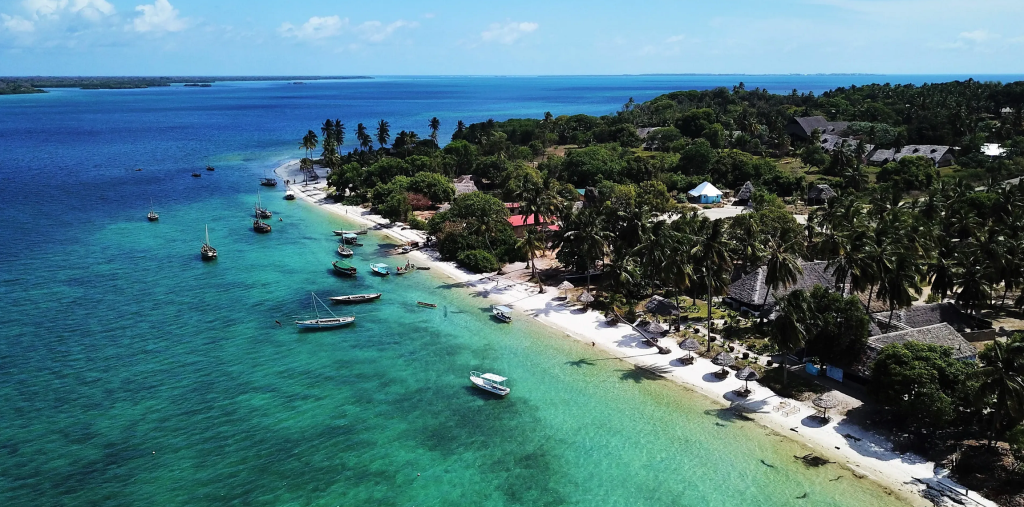
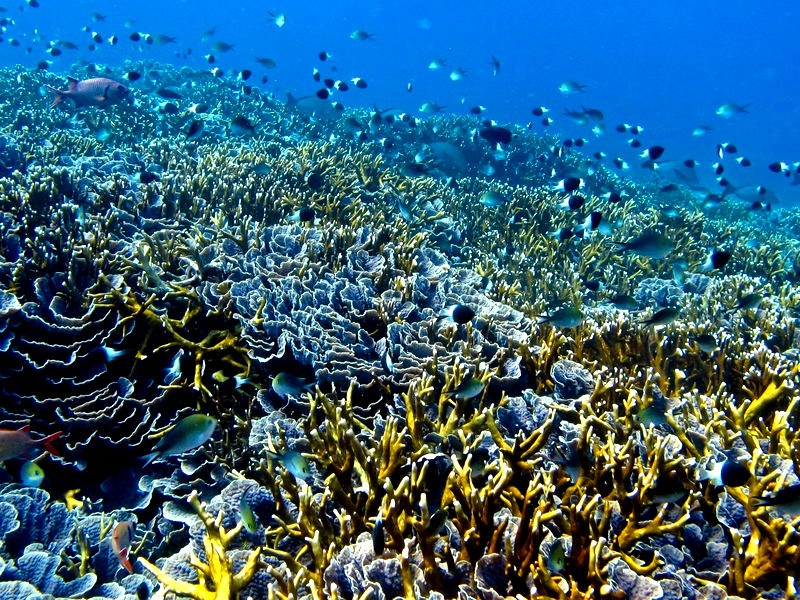
The dazzling marine life is the star feature of the island. This island is a prime place to spot humpback whales, turtles and the biggest fish on earth – the whale shark. Mafia Island Marine Park sits within the island’s bounds and is where divers and snorkelers come to swim among abundant populations of whale sharks and sea turtles and a colorful coral reef ecosystem. This island is an exceptional place for travelers and honeymooners to unwind after a Tanzanian safari.
Since most parts of Mafia Island are part of the conservation area. All visitors and guests to Mafia Island Marine Park are requested to pay a fee of $23.60 per person per day at the entrance gate.
Facebook – Mafia Island
Enzi Tours – Mafia Island
The Kilimanjaro Golf and Wildlife Estate
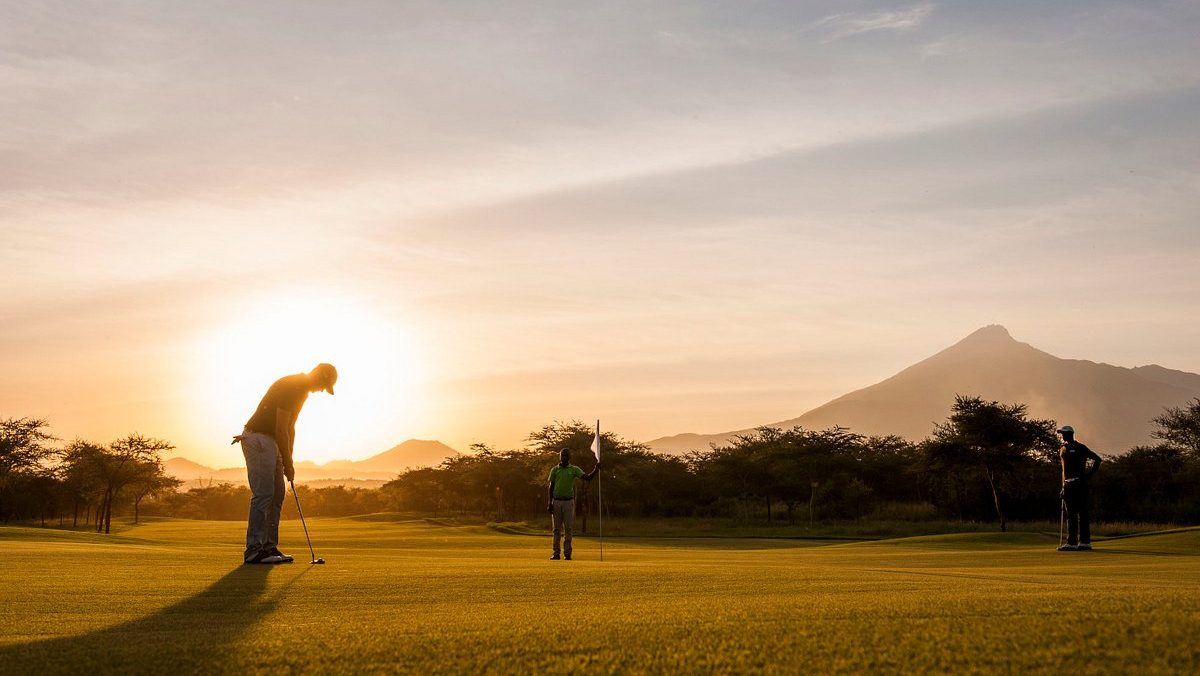
Kilimanjaro Golf Club is an 18-hole championship golf course set between Mt. Meru and Mt. Kilimanjaro. The course is open to the public with the full 18 holes having been completed in July 2015. It has a grand clubhouse, with restaurant and bar, and pro-shop.
Kilimanjaro Golf and Wildlife Estate
Gallery
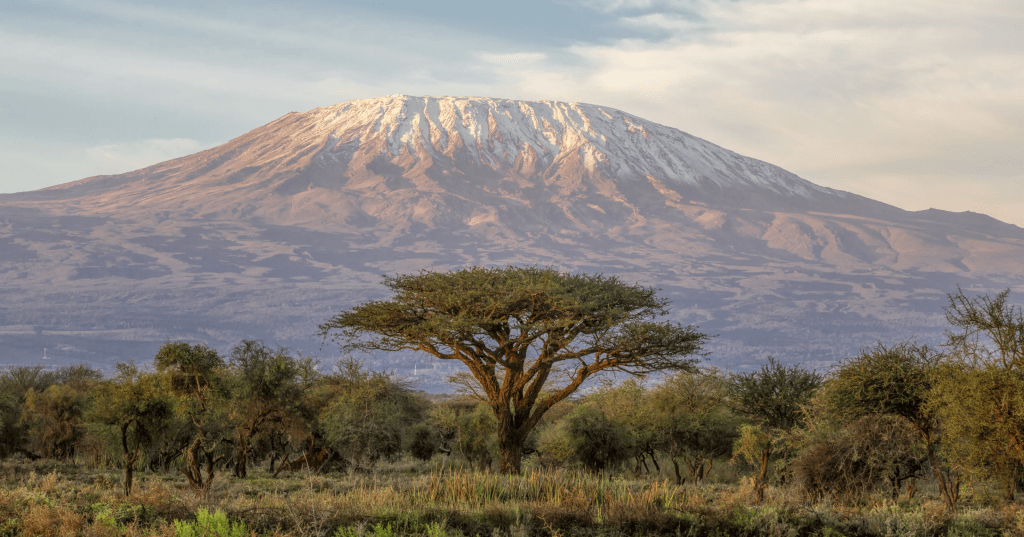
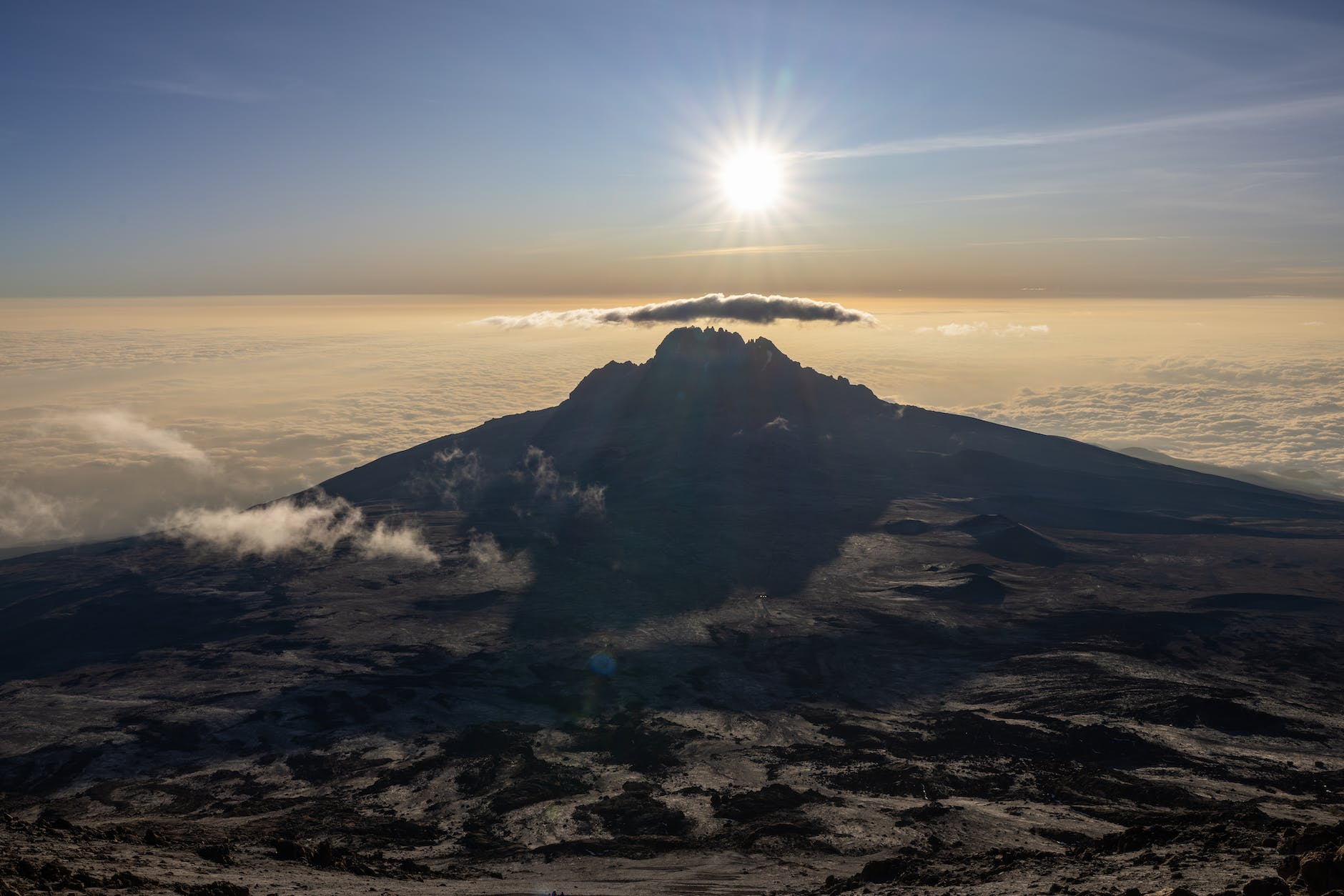
Mount Kilimanjaro from the peak at sunrise.
 Favourite Haunts
Leave a comment